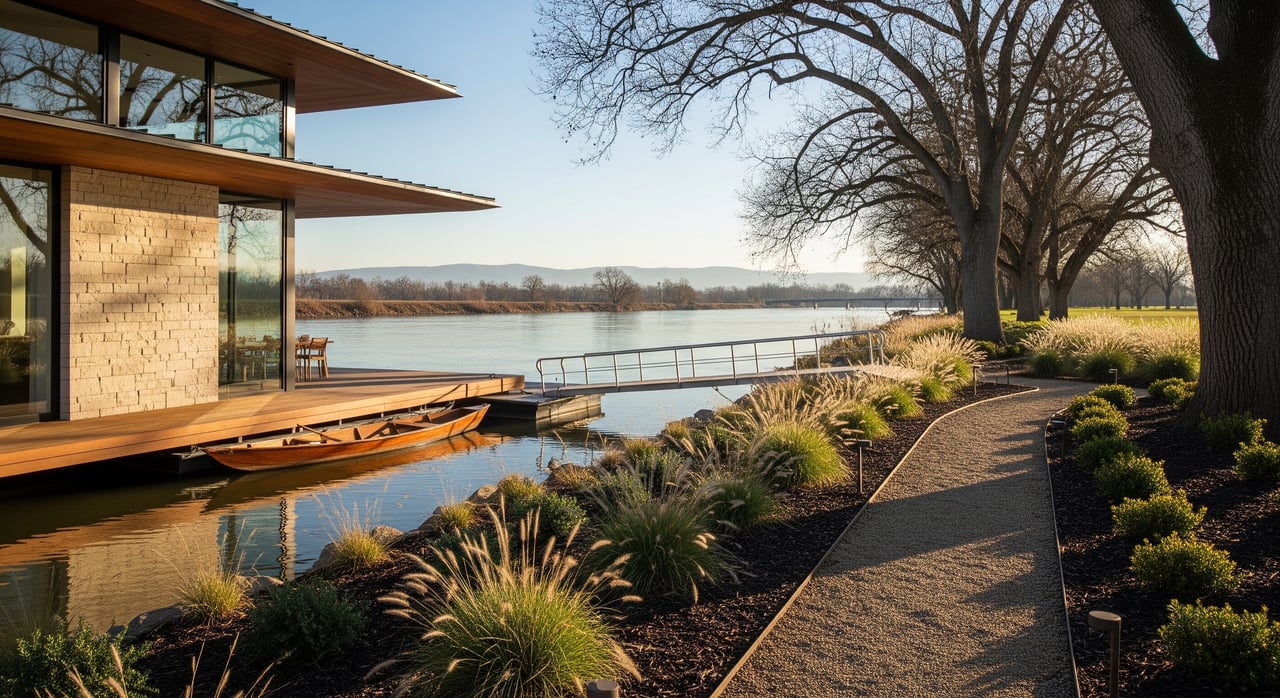
Morning coffee on the deck, boats drifting by, sunsets over the water. If you’re drawn to the Sacramento River, you’re not alone. Buying riverfront here can deliver a one-of-a-kind lifestyle, but it also comes with flood rules, levees, permits, and specialized insurance that most buyers don’t see in typical neighborhoods. In this guide, you’ll learn what “riverfront” really means along the Sacramento River, the key risks, the permits that matter, and a practical due-diligence plan so you can buy with confidence. Let’s dive in.
Sacramento River basics
The corridor at a glance
The Sacramento River in the city and county is a working waterway with levees, flood-control projects, riparian habitat, and year-round recreation. You’ll find urban stretches near Old Sacramento, established neighborhoods, and semi-rural reaches with agricultural parcels. Management balances navigation, flood protection, and ecological considerations like salmon and steelhead. Multiple agencies coordinate work along the corridor, which shapes what you can build and how you maintain a shoreline.
Common property types you’ll see
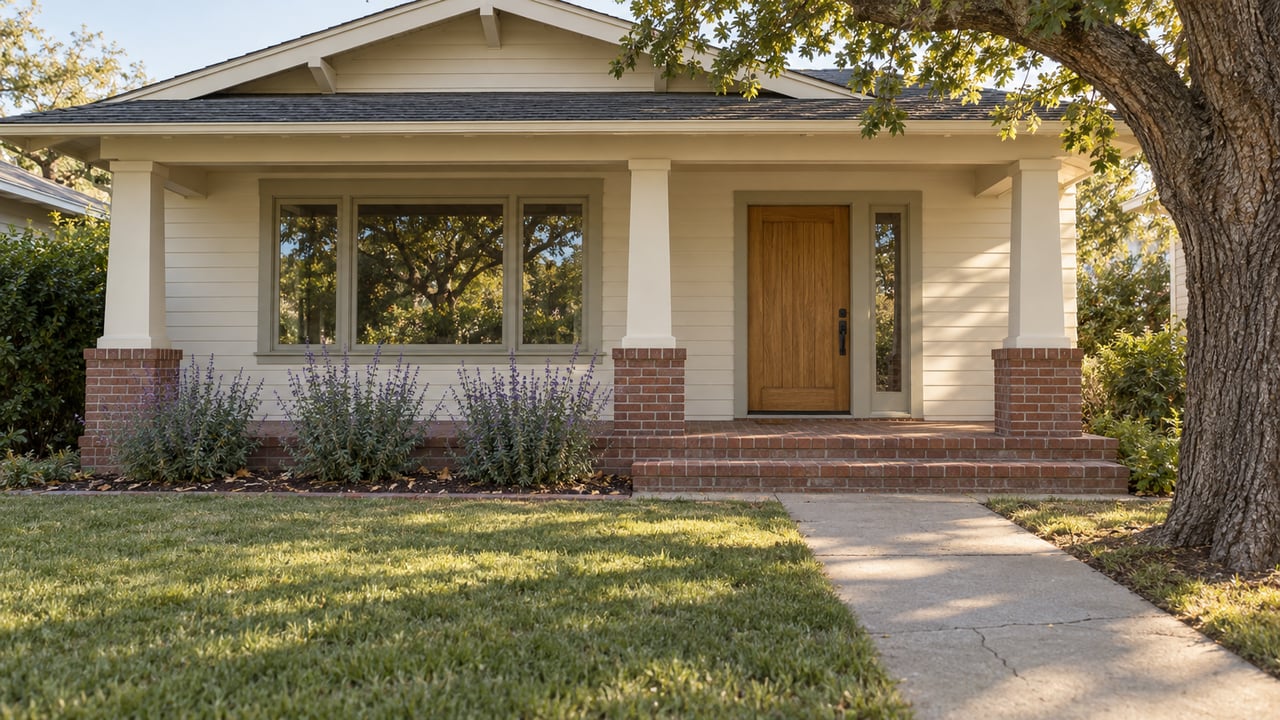
You’ll see urban riverfront homes and townhomes, older cottages that may need retrofit, and vacant lots suited for custom builds. Agricultural parcels with river frontage appear in more rural segments. There are also commercial or marina parcels, which face more complex reviews. Each type has a different permitting and design path, so match your goals with the property’s constraints.
Market realities and tradeoffs
Riverfront status typically commands a price premium, but it narrows the pool of comparable sales. Appraisals can be more complex, and you should expect longer marketing times at resale. Carrying costs can be higher due to flood insurance, shoreline maintenance, and potential erosion control. If you plan to rent short term, check city or county rules in advance, since waterfront properties sometimes face additional restrictions.
Flood and levee essentials
Map your risk first
Start by pulling the latest maps from the FEMA Flood Map Service Center. If a property sits in a Special Flood Hazard Area, a lender will require flood insurance and local codes will drive elevation and design. Ask for any elevation certificate on file and consider a floodplain engineer’s review. For policy basics and timelines, review the NFIP flood insurance program.
Being behind a levee still carries risk
Many parcels sit adjacent to or behind engineered levees with maintenance easements. These easements can limit trees, structures, or grading near the levee and allow access for maintenance. Review local standards through the Central Valley Flood Protection Board and contact the Sacramento Area Flood Control Agency for context on local projects and levee responsibilities. Verify who owns or maintains any levee next to the property and what that means for future work.
Erosion and bank stability
Riverbanks change over time, especially after high flows. If you’re close to the bank or plan near-bank construction, budget for geotechnical and bank-stability studies. Riprap or vegetation changes often trigger multi-agency review and possible mitigation. Plan for long-term shoreline management and consider how climate-driven flood patterns could affect future costs.
Permits for docks, shorelines, and building
Common project triggers
Work in or near the water typically needs permits. Docks, boat ramps, riprap, vegetation removal, and bank grading usually trigger reviews. New construction or substantial improvements bring local floodplain rules and elevation requirements into play. Build time into your plan, since multi-agency approvals can add months.
Who regulates what
For in-water or shoreline work, early coordination helps. The U.S. Army Corps of Engineers, Sacramento District oversees federal permits in navigable waters. California agencies include the California Department of Fish and Wildlife’s Lake and Streambed Alteration program and the Central Valley Regional Water Quality Control Board for water quality. If state-owned sovereign lands are involved, the California State Lands Commission will review. Local approvals come through the City of Sacramento Development Services or Sacramento County’s planning and building departments.
Boundaries, riparian rights, and title
Water-edge boundaries can shift with erosion or accretion, and some submerged lands may be owned by the State of California. That can affect private use and any plan for docks or bank work. A current ALTA survey should show the top of bank, ordinary high-water mark, and all easements. Confirm any recorded agreements for docks, access, and shared shoreline infrastructure before you commit.
Utilities, access, and services
Sewer and water vary by location. Some city neighborhoods connect to municipal services, while other areas may rely on septic or wells that require spacing and approvals. Electrical and communications providers can vary, and relocating or burying lines near levees may be costly. Also check road access during high water and understand the local evacuation plan for storms.
Financing, insurance, and appraisal
If a property is in a mapped flood zone, a federally backed lender will require flood coverage. Premiums depend on elevation, mitigation, and whether you are behind a certified levee. Standard homeowners policies exclude flood, so you will need a separate policy through the NFIP flood insurance program or a private carrier. Ask your lender early how flood status may affect terms, and work with appraisers who understand riverfront premiums and mitigation costs.
Due-diligence roadmap for buyers
Follow this checklist to reduce surprises and keep your project moving.
- Mapping and flood status
- Pull FIRMs and any preliminary maps from the FEMA Flood Map Service Center.
- Obtain elevation certificates and consider a floodplain engineer’s review.
- Local planning and building
- Call the City of Sacramento Development Services or Sacramento County Planning and Environmental Review to confirm zoning, setbacks, and elevation requirements.
- Ask about any waterfront plans or special design standards.
- Levee ownership and easements
- Contact your local levee-maintaining agency and check policies with the Central Valley Flood Protection Board and context from SAFCA.
- Verify recorded maintenance easements and restrictions on vegetation or structures.
- Title, boundary, and surveys
- Order a full title report and ALTA survey showing easements, top of bank, and encroachments.
- Confirm any public access easements or rights-of-way.
- Geotechnical and environmental
- Commission a site-specific geotechnical report and bank-stability assessment.
- Order a biological resources assessment to flag habitat and likely permits.
- Permitting path and timelines
- If you plan docks, ramps, or bank work, coordinate early with the U.S. Army Corps of Engineers, Sacramento District, CDFW LSA, the Central Valley Regional Water Quality Control Board, and the State Lands Commission when applicable.
- Utilities and services
- Confirm sewer or septic requirements, water source, fire response, and access during high water.
- Insurance and lending prep
- Get flood quotes from NFIP and private carriers and ask your lender about additional conditions.
Example paths to purchase
- Lifestyle buyer who wants low maintenance: Focus on urban riverfront areas with municipal services and established levees. Expect higher pricing and possibly stricter standards, but fewer unknowns.
- Custom build on a vacant lot: Enjoy design flexibility while budgeting for geotechnical work, elevated foundations, and multi-agency permits. Plan a longer schedule.
- Investor or short-term rental: Model carrying costs, insurance, and seasonal demand, and verify local STR rules before you buy.
How Lisa Rayman helps you buy riverfront
Riverfront deals reward preparation. You need clear guidance on flood rules, levees, and permits, plus a plan for design and construction. Lisa blends neighborhood insight with buy-and-build expertise, including lot sourcing, builder introductions, and coordination with construction financing. If you want a custom home or a premium riverfront listing marketed to a wider audience, you also benefit from Coldwell Banker Global Luxury reach and polished, story-driven marketing.
Ready to explore Sacramento Riverfront options or map a due-diligence plan for a specific property? Connect with Lisa Rayman to get started.
FAQs
What permits are required for a new dock on the Sacramento River?
- Typically you will coordinate with the U.S. Army Corps, CDFW for a Lake and Streambed Alteration Agreement, the Central Valley Water Board for water quality, State Lands if sovereign lands are involved, and city or county building departments.
How do FEMA flood zones affect a Sacramento River mortgage?
- If your property is in a Special Flood Hazard Area, a federally regulated lender will require flood insurance and may ask for an elevation certificate or engineered mitigation.
Who maintains levees near Sacramento River properties?
- Levees are managed by various local districts, with policies and oversight through the Central Valley Flood Protection Board and regional context from SAFCA, so confirm the specific agency for your parcel.
Do I own the riverbank or riverbed along the Sacramento River?
- Ownership can be complex due to shifting banks and state-managed sovereign lands, so a title review, ALTA survey, and State Lands Commission input are critical when planning shoreline use.
What insurance do I need for a Sacramento River home?
- Standard homeowners policies exclude flood, so you will need separate flood coverage through NFIP or private carriers, with premiums based on elevation, mitigation, and levee context.
How long do multi-agency approvals take for riverfront projects in Sacramento?
- Timelines vary by scope, but coordinating early with federal, state, and local agencies and building realistic buffers into your schedule helps you avoid delays.