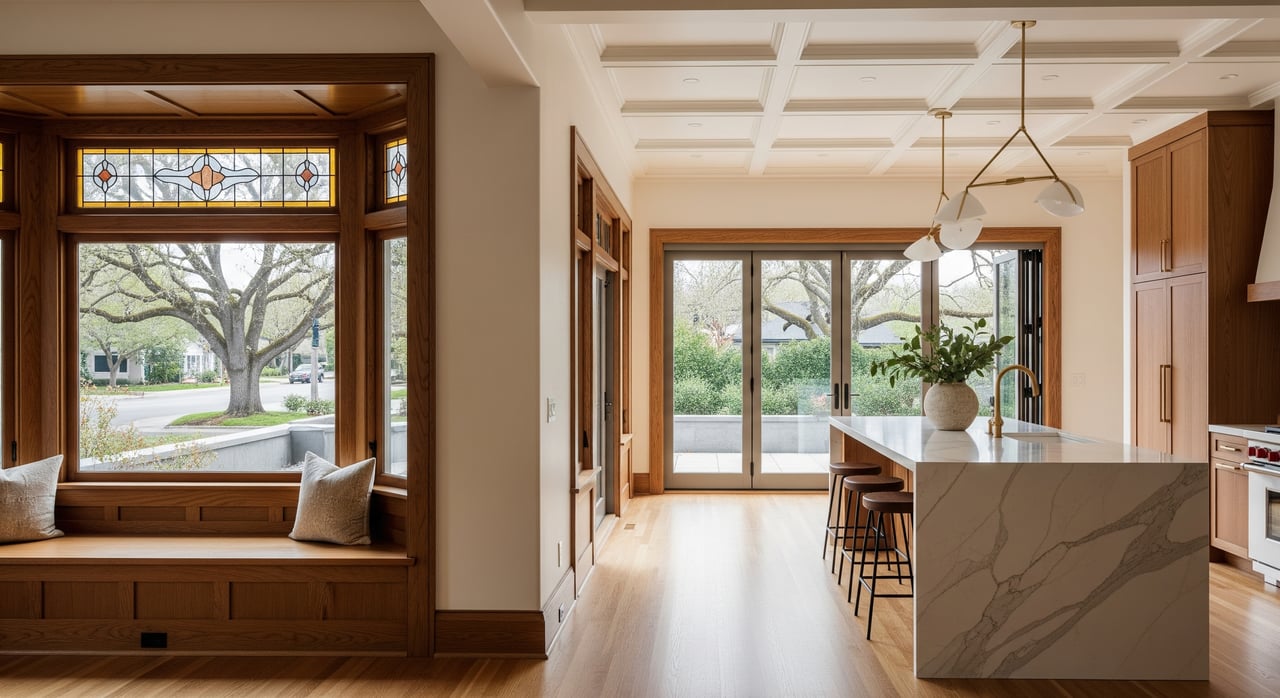
Thinking about more space, better flow, or a fresh start in East Sacramento? With limited move-in-ready options, many homeowners weigh a major remodel against a ground-up rebuild. It can feel like a big decision with a lot of moving parts. In this guide, you’ll get a clear framework to compare costs, timelines, design control, and resale considerations — plus when to bring in the right team. Let’s dive in.
East Sacramento context that matters
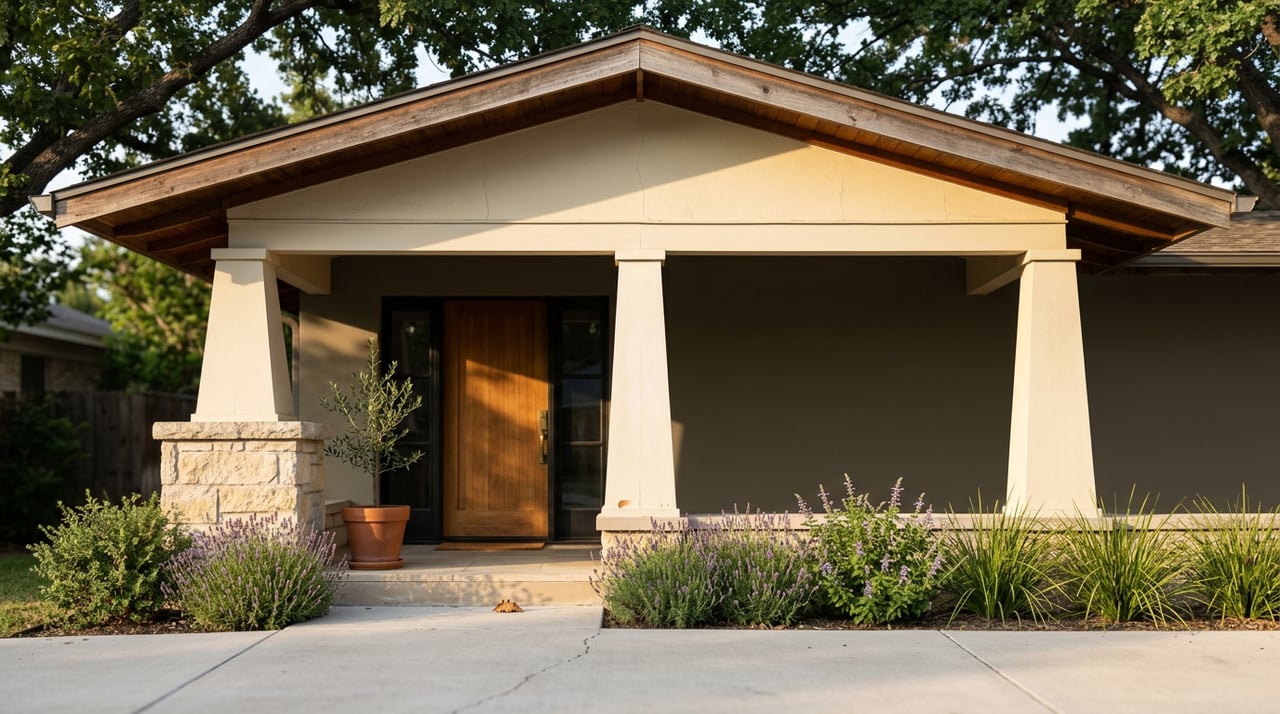
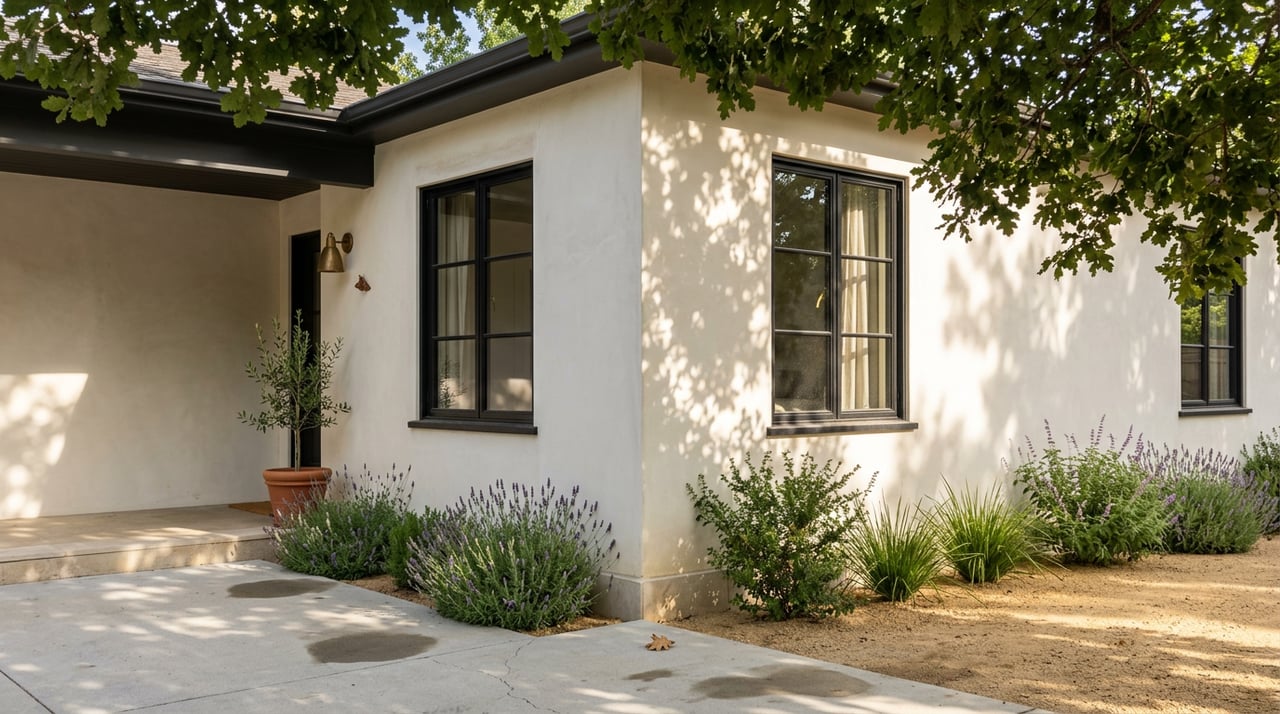
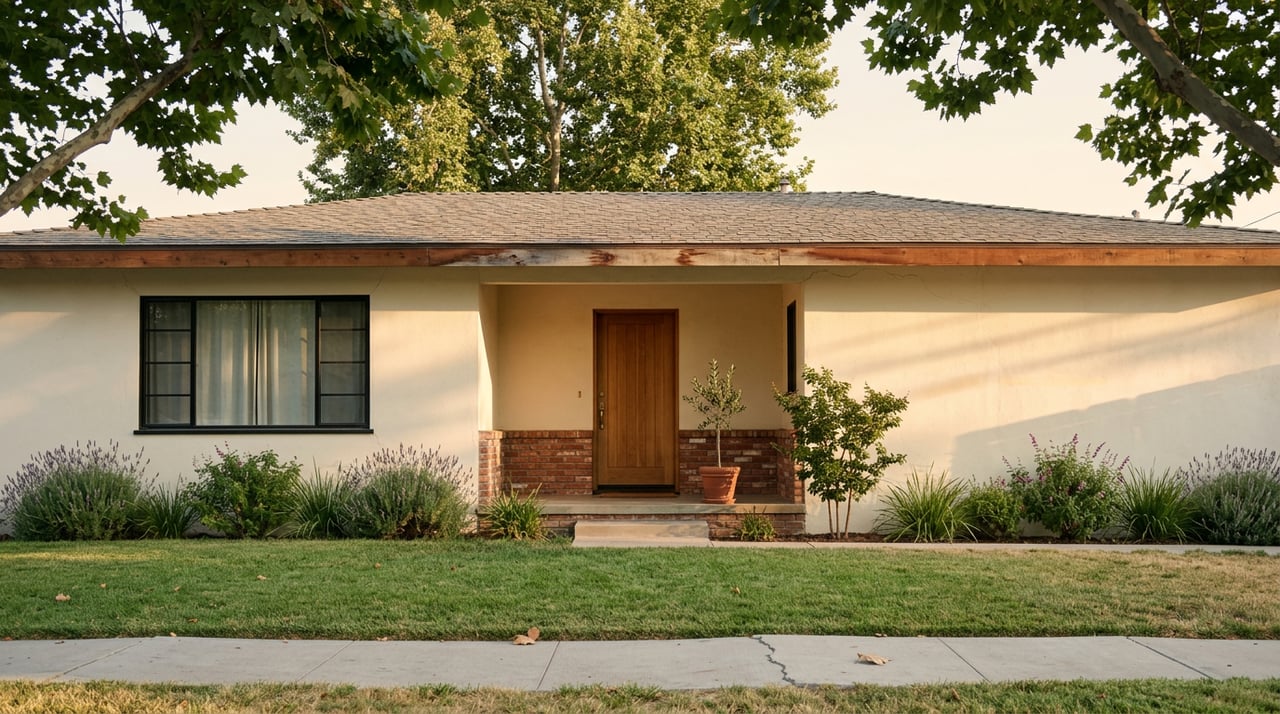
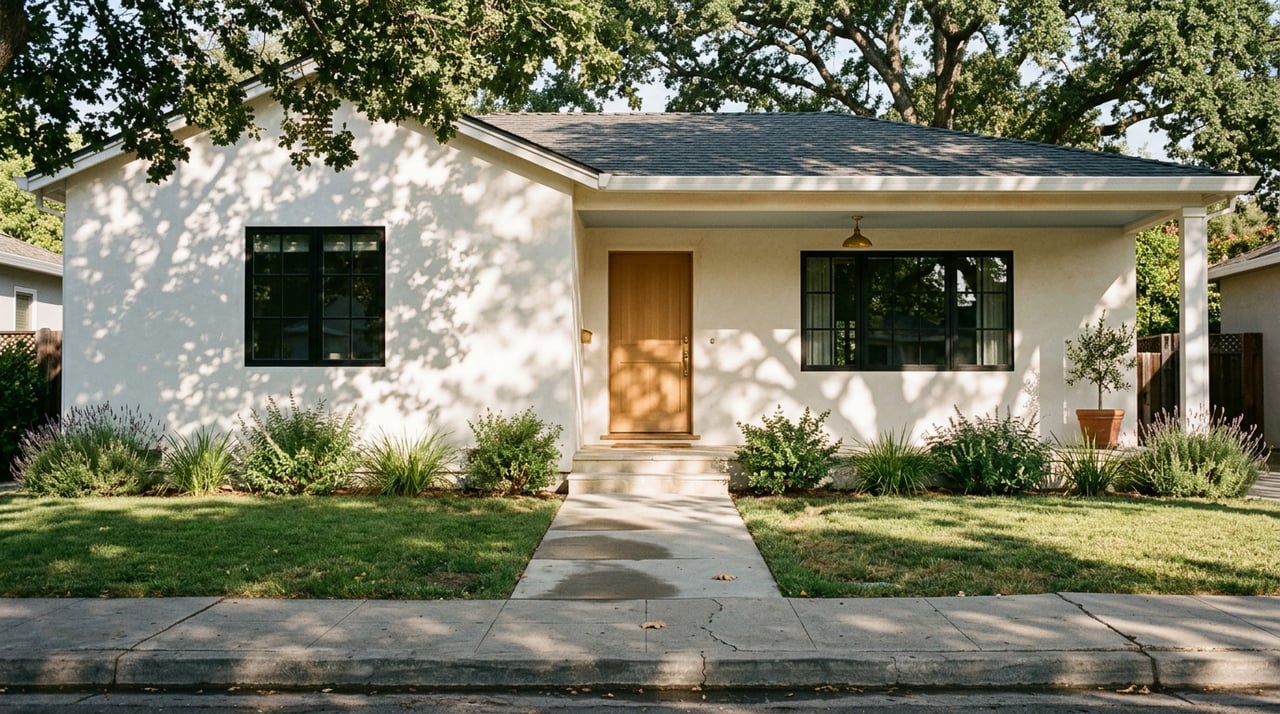
East Sacramento’s charm comes from its older homes, mature tree canopy, and consistent streetscapes. Many properties are bungalows or period revival styles, and the lot patterns are well established. This character influences what buyers want and what the city will approve.
Zoning, lot coverage, and setback rules shape what you can add or rebuild. Some blocks may require extra review for changes that affect the façade, massing, or protected trees. Utility upgrades and soils also matter. Older homes sometimes need electrical panel, sewer, or foundation work that can change scope for both a remodel and a rebuild.
Permitting capacity affects timing. Plan check and permits can add weeks to months before construction begins, especially if historic review or tree permits are involved. Verifying requirements with City of Sacramento Planning and the Permit Center early helps you plan with confidence.
Build new vs. remodel: the quick snapshot
Build new: what to expect
Building new gives you maximum control over layout, systems, and energy performance. It is easier to meet modern efficiency and accessibility standards from day one. You start with a fresh foundation and can design the flow, ceiling heights, and storage you want.
The tradeoff is a longer timeline and typically higher total cost. There is also a risk of overbuilding compared to neighboring homes if size or style drifts too far from the street’s rhythm. Your agent can help you gauge neighborhood norms and resale expectations.
Remodel: what to expect
A remodel preserves historic character and lets you adapt an existing home to new needs. You can open walls, refresh systems, and modernize kitchens and baths while keeping curb appeal that fits the block. This path can be faster than a full rebuild.
Limitations include the existing structure and layout. Hidden conditions like rot, old wiring, or asbestos can add cost and time. In some cases, structural upgrades reduce the expected savings compared to building new.
Hybrid options: additions and ADUs
You can blend approaches with partial demolition and rebuild, a second-story addition, or an ADU for guest space, office, or rental potential. Statewide ADU rules are relatively supportive, but you should confirm local parking, utility, and design requirements before you plan.
Budget and financing basics
Every project breaks down into hard costs (construction) and soft costs (professional and permit-related). The biggest drivers include structural work, foundation and seismic upgrades, roofing, new systems, kitchen and bath finishes, site work, hazardous-material abatement, and tree protection or removal.
Soft costs typically include architecture and engineering, structural reports, energy compliance documentation, surveys, permit and impact fees, and any historic review. Architects and designers often charge about 6 to 12 percent of construction cost from concept to permit, with consultants like structural engineers and landscape architects billed separately.
Contingency planning is essential. For remodels, a 10 to 20 percent contingency is common, especially with older homes and unknowns. For full rebuilds on older or infill lots, plan for about 15 to 25 percent to cover surprises and scope adjustments.
Financing works differently depending on the path. Remodels can be financed through cash, a HELOC, renovation construction loans, or renovation mortgage products like FHA 203(k) and other agency options. Ground-up builds often use a construction loan that converts to a permanent mortgage. Lender requirements, interest rates, and draws vary, so talk with a lender early to match financing to your scope and timeline.
Two smart moves set you up for success:
- Get two to three preliminary bids from experienced local contractors — one for a remodel concept and one for a rebuild concept.
- Ask a lender about what you can borrow for each path so your budget and design stay aligned.
Timeline and disruption
Plan for the full arc: design, permits, construction, inspections, and move-in.
- Design and plan check: Schematic design, construction drawings, structural and energy compliance, and plan review can add about 2 to 6 months or more depending on revisions, staffing, and special reviews.
- Major remodel: A kitchen, multiple baths, systems, and selective structural changes often take 4 to 12 months. A full gut remodel can run 6 to 12+ months as hidden conditions surface.
- New build: Demolition, new foundation, full systems, and finishes commonly span 12 to 24+ months in metro California markets, plus the permit period.
Decide early whether you can live on-site. Many remodels are easier if you move out for a portion of the work. Longer projects mean higher carrying costs and possibly temporary housing, which should be included in your overall budget.
Design control and neighborhood fit
If you build new, you control the floor plan, structural layout, and energy performance. That freedom can deliver the exact spaces you want. The risk is a mismatch with the street’s scale or style if the home reads too large or too modern. Your agent and architect can help with massing studies and comps to right-size the design.
If you remodel, you can keep curb appeal and period details buyers love while creating open living, modern kitchens, and updated baths. You do work within the bones of the house, which may limit certain changes or require structural upgrades for big openings or second stories.
In East Sacramento, many buyers value authentic curb appeal and compatibility with the block, but they also want comfort and performance. Features like open kitchens, efficient HVAC, well-insulated windows, and indoor-outdoor flow tend to attract attention when done in a way that respects the neighborhood.
Resale planning for East Sacramento
Resale starts with neighborhood alignment. Homes that match rooflines, setbacks, and overall massing to the block often appeal to a wider buyer pool. A sensitive remodel that preserves or thoughtfully reinterprets period details can perform well.
A brand-new, larger home that significantly exceeds the neighborhood’s scale may not command the per-dollar premium you expect. The best way to calibrate is to run comparable sales for both renovated older homes and new construction nearby. Your agent can also advise on absorption times and which finishes or features the market rewards.
If you are renovating to sell, timing matters. Construction during slower seasons or for extended durations adds holding costs. If you are renovating to live, weigh the emotional benefit of staying in East Sacramento against the financial upside of each path.
Decision checklist for East Sac upsizers
Use this quick checklist to organize your decision and reduce surprises:
- Property and zoning
- Verify zoning, setback limits, lot coverage, and any historic or preservation overlay.
- Confirm ADU eligibility and parking impacts.
- Assess trees for protection status and potential root-zone conflicts.
- Condition and feasibility
- Order inspections for structure, roof, plumbing, electrical, and sewer lateral.
- Identify structural needs if adding a second story or reconfiguring load-bearing walls.
- Cost and financing
- Get 2 to 3 preliminary bids for both a remodel scope and a rebuild scope.
- Talk to a lender about construction loans, renovation loans, and HELOCs.
- Set a realistic contingency: 10 to 20 percent for remodels; 15 to 25 percent for rebuilds.
- Timeline and disruption
- Decide if you can live on-site during portions of the work.
- Factor in the permit and plan-check timeline before construction starts.
- Resale and neighborhood match
- Ask your agent for comps on renovated homes and newly built homes nearby.
- Right-size the plan to the lot and streetscape to avoid overbuilding.
- Regulatory checks
- Confirm permit triggers, historic review, and tree ordinances with City of Sacramento Planning and the Permit Center.
When to bring in your team
- Local real estate agent: Bring your agent in before you commit to a path. You will get guidance on neighborhood norms, resale implications, and the risk of overbuilding. Your agent can also introduce architects and contractors who frequently work in East Sacramento.
- Architect or design-build firm: Engage early to test feasibility, study massing and setbacks, and flag permit issues. A schematic design with a contractor’s preliminary pricing reduces redesign later.
- Structural engineer: Involve when adding a second story, moving bearing walls, or addressing foundations.
- Contractor or GC: Get a GC on board during design for cost and schedule input. This pre-construction collaboration can save time and money.
- Lender: Loop in a lender when you set a budget target. Construction and renovation financing have different requirements than standard mortgages.
If you want an end-to-end guide through this process, you can work with an agent who blends neighborhood expertise with builder and financing coordination. That includes lot sourcing, introductions to trusted architects and GCs, and a plan for resale or long-term ownership that fits East Sacramento.
Real scenarios: which path fits you?
- You love your block and just need smarter space: A remodel or partial addition may be best. Preserve the façade, open the kitchen, refresh systems, and add a primary suite or family room while maintaining neighborhood character.
- Your home needs everything and the layout does not work: A full gut remodel or a new build could be on the table. If foundation and framing are sound, a gut remodel with plan reconfiguration may pencil. If structural issues are extensive, a rebuild may offer better control and predictability.
- You want flexibility for guests, work, or income: Consider an addition or an ADU. This can add livability without pushing the main home far beyond neighborhood scale.
- You are after ultimate performance and a custom plan: New construction provides the highest design control and energy performance if your lot and block can support it without overbuilding.
Next steps
Start with site and zoning checks, a condition assessment, and a high-level design consultation. Line up two to three bids for both paths and talk with a lender about the best financing structure for your goals. Then refine design to fit your budget and the block.
If you want a local, practical guide through the choices — from comps and resale strategy to builder introductions and construction financing coordination — reach out to Lisa Rayman for a friendly, no-pressure conversation. Get a Free Home Valuation & Build Consultation.
FAQs
What should East Sacramento homeowners compare first?
- Start with scope, budget, and neighborhood fit. Verify zoning and setbacks, get two to three bids for remodel and rebuild options, and ask your agent for comps on both.
How long does a major remodel usually take?
- Many major remodels with kitchens, multiple baths, systems, and selective structural changes run about 4 to 12 months, plus design and permitting time.
How long does a new build usually take in East Sac?
- Ground-up projects commonly take 12 to 24+ months after permit approval, with plan check adding weeks to months up front.
How much contingency should I budget for surprises?
- Plan about 10 to 20 percent for remodels and roughly 15 to 25 percent for full rebuilds on older or infill lots to cover unknowns.
Will a new build always sell for more than a remodel?
- Not always. In scale-sensitive neighborhoods, a thoughtful remodel that respects the streetscape can attract more buyers than an oversized new build.
When should I involve an agent in my decision?
- Early. An agent can flag overbuilding risks, run comps for renovated and new homes, and connect you with architects, GCs, and lenders familiar with East Sacramento.
Do I need historic or tree review for my project?
- It depends on your block and scope. Confirm permit triggers, historic review, and tree ordinances with City of Sacramento Planning and the Permit Center before you finalize design.