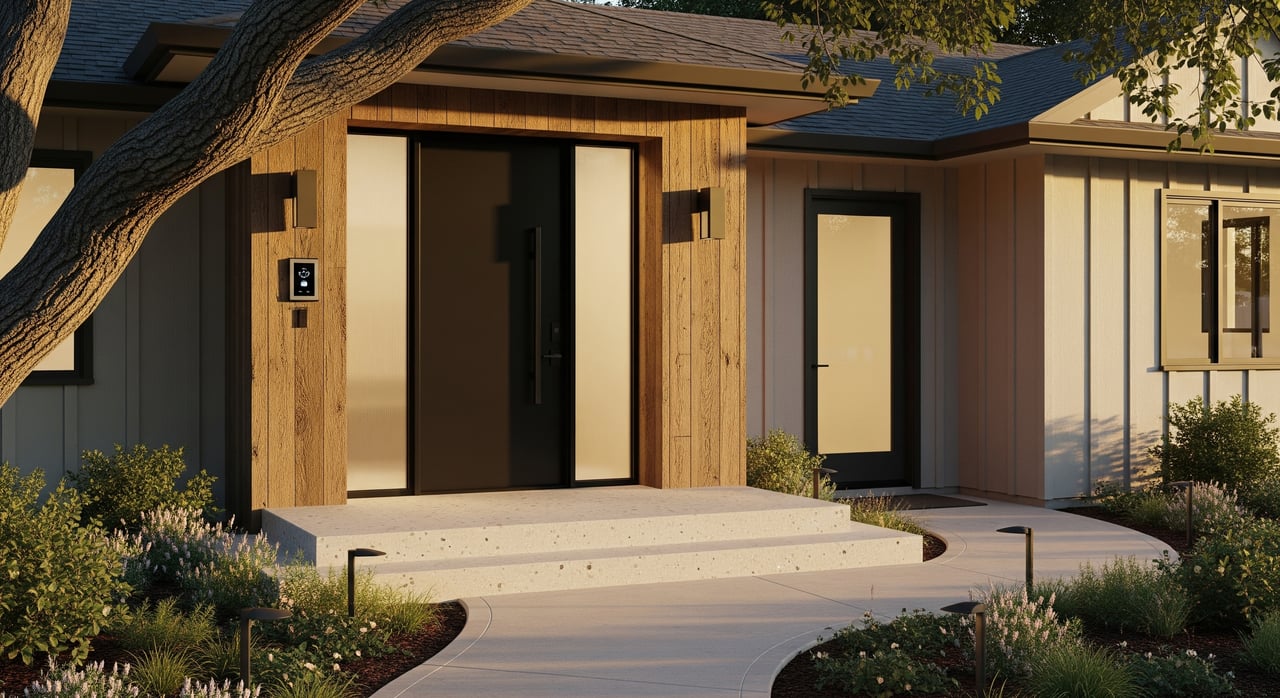
Thinking about covering part of your mortgage while you build equity in Tahoe Park? House hacking can help you live closer to Sacramento’s core while keeping monthly costs in check. If you use the right strategy and run a careful model, you can turn a primary residence into a practical step toward long-term wealth. In this guide, you’ll learn what works in Tahoe Park, how to navigate local rules, your financing paths, and a simple pro forma you can use to test deals. Let’s dive in.
What house hacking looks like in Tahoe Park
Duplex: live in one, rent the other
A duplex gives you two self-contained units so you can live in one and rent the second. You get clearer rent streams and more flexibility to scale cash flow. You should confirm that both units are legal, permitted, and ideally separately metered.
Pros include stronger income and owner-occupied financing options for 2–4 units. Cons include a higher purchase price per property and more management duties. Plan for turnover and follow local landlord rules when screening tenants and setting rents.
ADU: add income to a single-family lot
An accessory dwelling unit lets you keep a single-family home feel while adding a rental. State and city rules have opened the door for ADUs on many Sacramento lots. You will still need to confirm setbacks, lot coverage, parking, and utility capacity before you build.
Pros include flexibility for long-term rental, guest use, or future family needs. Cons include upfront design, permits, and build timelines. Check sewer, water, and electrical panel capacity, and confirm fee schedules with the City before you budget.
Owner-occupied rental: lease rooms or a suite
Renting extra bedrooms or a finished lower-level space can be a low-cost path into house hacking. You can ease into landlording without buying a multifamily property. That said, shared living affects privacy and may not fully cover your mortgage.
Be sure your lease structure follows local rules. If you are considering short-term guests, note that Sacramento requires registration and may limit operations in some zones. Many HOAs also restrict rentals.
Local rules you need to know
Zoning and ADU permitting
California laws have reduced barriers to ADU construction, but you still need to follow City of Sacramento design standards and permits. Verify your property’s zoning and any special overlays. Review lot coverage, setbacks, and parking exemptions before you commit to plans.
For an existing duplex or a home with a second unit, confirm that the unit count and any conversions were permitted. Unpermitted work can affect insurance, financing, and resale.
Tenant protections and rent limits
California has statewide tenant protections, including just-cause eviction standards and limits on many rent increases. Sacramento also has local tenant protection measures that may be more restrictive than the state minimums. Build your pro forma with rent growth caps and realistic legal timelines for notices.
Document your screening criteria and lease terms. Longer notice periods and compliance steps can affect turnover costs and downtime between tenants.
Short-term rentals and HOAs
The City of Sacramento requires registration for short-term rentals and may limit use in certain locations. If a property is in an HOA, review the CC&Rs for rental and short-term occupancy restrictions. Do not rely on short-term income as your base case unless you have confirmed approvals.
Financing paths for owner-occupants
Loans for duplexes and 2–4 units
Owner-occupied loans typically offer better terms than investor loans. FHA financing is available for 2–4 unit properties if you will live in one unit. Conventional options for 2-unit owner-occupied purchases exist, with down payment and underwriting standards that vary by lender.
Lenders may allow a portion of market rent from the other unit to count toward qualifying income. Ask for the documentation required and how appraisers will treat rental value.
Financing an ADU
If you plan to build an ADU, you can explore renovation loans like FHA 203(k) or Fannie Mae HomeStyle, as well as construction loans. Each product has different timelines, inspections, and draws. Confirm eligibility, allowable costs, and whether projected rental income will be considered.
Budget for permits and utility upgrades. SMUD connection needs or panel upgrades, along with sewer or water capacity work, can change total project cost.
Taxes, insurance, and reserves
In California, the base property tax is about 1% of assessed value, plus any local voter-approved assessments. Verify parcel-specific taxes through the county assessor. For insurance, ask about owner-occupied landlord or dwelling policies and endorsements that cover an ADU or rental unit.
Set aside reserves. A common approach is 5–10% of gross rent for maintenance, plus a separate capital reserve of about 250 to 500 dollars per unit per year. Older homes or properties with deferred maintenance may require more.
Model your deal with a simple pro forma
Core pro forma structure
- Purchase inputs: price, down payment, loan rate and term, and closing costs.
- Income: scheduled rent per unit, plus any laundry, parking, or storage income.
- Vacancy and credit loss: plan 5–10% for long-term rentals, higher if renting rooms.
- Operating expenses: property taxes, insurance, utilities if paid by you, maintenance, property management, landscaping, HOA, reserves, permits and inspections.
- Net operating income (NOI): effective gross income minus operating expenses.
- Cash flow before tax: NOI minus annual debt service.
Sensitivity planning
Run three cases for every property:
- Conservative: rents down 10%, vacancy 7–10%, higher maintenance and unexpected capital items.
- Base case: current market rents, vacancy 5–7%, standard reserves.
- Optimistic: rents up modestly with the same vacancy and conservative reserves.
This helps you understand how a rent dip or longer turnover would affect your budget.
Example framework: duplex house hack
Use this as a template, then fill in with verified local numbers.
- Purchase price = P, down payment = D%, loan rate r% (30-year).
- Mortgage payment = lender quote for P × (1 − D%).
- Gross rent from second unit = R.
- Effective rent after 5% vacancy = R × 0.95.
- Rental portion of expenses = E_rent (taxes, insurance share, utilities, maintenance, management if used, reserves).
- Contribution to your housing cost = mortgage + E_rent − effective rent.
This shows how much your neighbor’s rent offsets your monthly payment.
Example framework: add an ADU
For a single-family home with an ADU plan:
- Construction cost estimate = C, based on local contractor quotes and City fee projections.
- Projected ADU rent = A; effective rent after vacancy = A × (1 − vacancy rate).
- Operating costs for the ADU = E_adu.
- Annual net ADU cash flow = effective rent − E_adu − any loan payments tied to construction.
- Payback period = C ÷ annual net ADU cash flow.
Use a contingency in your cost estimate and confirm utility capacity early.
What rents, prices, and costs to use
- Rents: Pull current listings and recent leases in Tahoe Park and adjacent areas with similar unit types and sizes. Cross-check with a local property manager to validate your comp set.
- Prices: Review recent sales of comparable duplexes or single-family homes with similar lot sizes or potential for ADUs. Confirm each comp’s unit count and permit status.
- Taxes and assessments: Look up the exact parcel on the county assessor to estimate the first-year bill based on your expected assessed value.
- Utilities: Request 12 months of bills from the seller. For planning, contact SMUD and your water provider for average usage and current rate schedules.
- Permits and fees: Review City of Sacramento ADU standards, fee schedules, and any parking exemptions that may apply to your lot.
Build your pro forma with conservative rent assumptions and a full year of operating costs.
Due diligence checklist for Tahoe Park
- Confirm zoning and the legal status of all units or conversions on the property.
- Pull assessor data for property taxes and any special assessments.
- Ask the seller for 12 months of utility bills to estimate ongoing costs.
- Order a full home inspection, with attention to roof, foundation, plumbing, and electrical systems.
- Run rent comps for truly comparable units, including condition and amenities.
- Review local tenant protections and rental registration requirements with the City.
- Speak with lenders about owner-occupied loans for 2–4 units or renovation financing for ADUs.
- Get at least one local contractor estimate for an ADU or any needed rehab.
Smart entry strategies by budget
- Lowest upfront cost: Buy a single-family home and rent rooms. Keep leases clear and plan for higher wear, utilities, and vacancy.
- Moderate cost: Buy a duplex and live in one unit. Use owner-occupied financing and plan a reserve for turnovers and repairs.
- Build equity with flexibility: Buy a home with ADU potential, then build the unit. Phase the project as permits and budget allow.
Next steps
- Map your financing path: compare FHA and conventional for duplexes, and renovation or construction options for ADUs.
- Build your pro forma: plug in conservative rents, 5–10% vacancy, and full operating costs.
- Validate assumptions: confirm zoning, unit legality, permit timelines, and utility capacity.
- Line up your team: a lender, property manager, and contractor can help you refine numbers and timelines.
If you want neighborhood-level guidance, introductions to lenders and builders, and help finding properties that fit a house-hack plan, connect with Lisa Rayman. You will get local comps, permitting insight, and a step-by-step plan to move from modeling to keys in hand.
FAQs
Can I buy a duplex in Sacramento with a low down payment?
- FHA allows owner-occupied financing for 2–4 unit properties, but down payment and underwriting requirements vary by lender, so confirm details early.
How much will an ADU cost and how long will it take?
- Costs and timelines vary by design, utilities, and permits; get local contractor quotes, review City fee schedules, and include a contingency in your budget.
How do I estimate rent for Tahoe Park units?
- Use active listings and recent leases for similar units, then confirm with a local property manager; stress-test your pro forma with lower rent and higher vacancy.
Are short-term rentals allowed in Tahoe Park?
- The City of Sacramento requires registration and may limit operations in certain zones; verify rules for your address and any HOA before relying on short-term income.
How should I plan for vacancy in Sacramento?
- Use 5–10% vacancy for long-term rentals, and consider a higher rate if renting individual rooms or if turnover is likely.
Is house hacking legal in Tahoe Park?
- Yes in many cases, but legality depends on zoning, permits for self-contained units, and any HOA rules; confirm each property’s specifics before you buy.