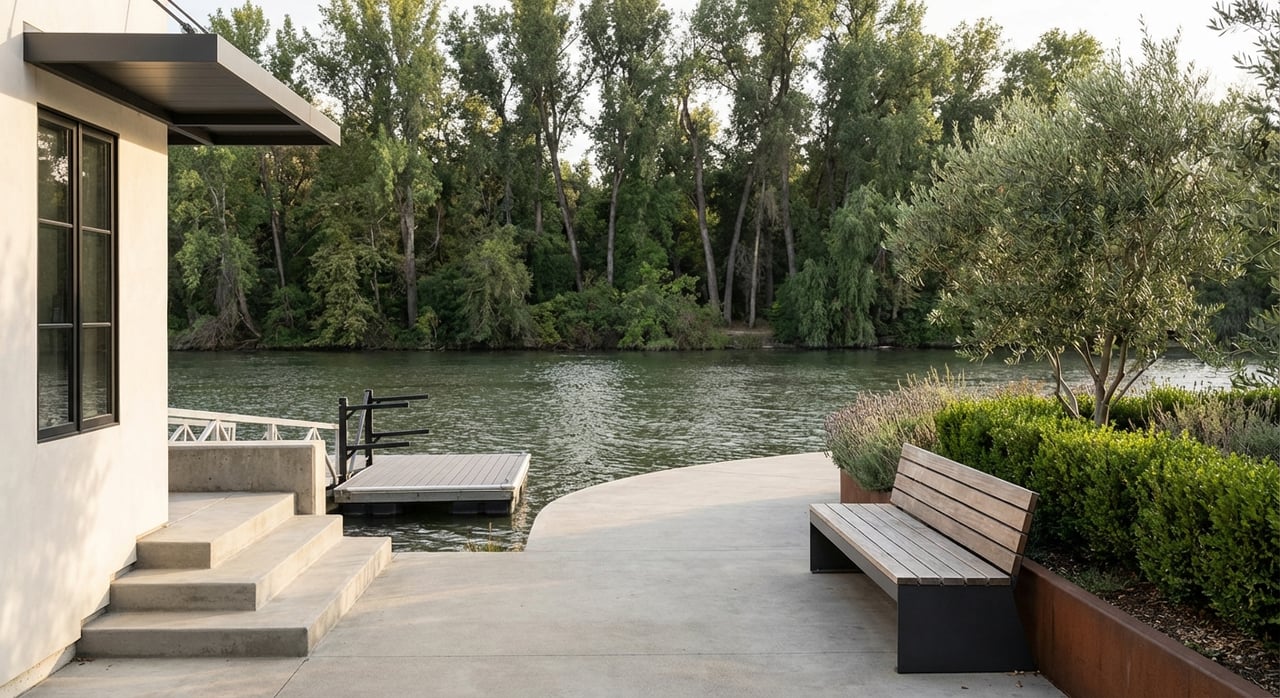
Ever picture stepping out your door to water views, miles of trails, and dinner by the river at sunset? If you are curious about life along the Sacramento River, you are not alone. Many buyers love the blend of urban access and outdoor escape you get on the water. In this guide, you will learn where people live along the river, what day-to-day life feels like, how you get around, what is changing, and the practical questions to consider before you buy. Let’s dive in.
The riverfront at a glance
Sacramento’s urban waterfront runs roughly three and a half miles from Tiscornia Park to Miller Park, anchoring much of the city’s river planning and public investment. You will hear this core referred to as the city’s riverfront district. The area ties closely to downtown, Old Sacramento, and the Railyards, which makes the river part of daily life for commuters, diners, and festivalgoers. The proximity to central neighborhoods is a big part of the appeal for buyers who want easy access to work and weekends.
At the north end, the American River meets the Sacramento River near Discovery Park, a major hub for biking, running, and river access. The park connects into the larger American River Parkway, a regional greenway used for everyday recreation and longer rides. If you like to be outside before or after work, this trail network is a standout amenity for riverfront living.
For a quick overview, think of three main pockets: the Old Sacramento and River District area near downtown, the central stretch with Miller Park and the Sacramento Marina, and the downstream Pocket–Greenhaven area with more traditional suburban streets and some river-adjacent homes. Across the water is West Sacramento, which adds parks and a river walk that round out the overall experience.
Where you might live
Old Sacramento and River District
This is the most urban part of the waterfront. You are steps from the riverwalk, museums, and visitor energy, with a short hop to downtown offices and the Sacramento Valley Station for regional rail. The historic boardwalks and river-facing dining make it an easy place to meet friends after work. Expect a vibrant setting, especially on weekends and during events.
Miller Park, Marina, and mid-river
Closer to the Sacramento Marina and Miller Park, you will find a practical base for boating, rowing, and trail access. This central stretch feels connected to downtown but a touch quieter than the Old Sacramento corridor. For boaters, being near the launch and marina services can simplify your weekend routine.
Pocket–Greenhaven downstream
Further south, Pocket–Greenhaven offers a suburban pattern with established streets, neighborhood parks, and some properties near community launches. Buyers who want more private outdoor space and calmer streets often focus here. The draw is easy river access without being in the middle of the tourist footprint.
West Sacramento perspective
Although it is a separate city, West Sacramento sits right across the river and shares much of the daily waterfront rhythm. Its river-facing parks and river walk create a complementary setting for jogs, sunsets, and festivals. Many residents on either side cross the river for dining, recreation, and errands.
Parks, trails, and river access
You have year-round green space at your doorstep. The confluence area near Discovery Park links into the extensive American River Parkway, which functions like the region’s outdoor backbone. You can plan a short jog or a long weekend ride without getting in your car.
Public access points make getting on the water straightforward. The city maintains launch ramps and marina facilities that serve small boats, kayaks, and paddlecraft. Annual maintenance windows and dredging help keep ramps usable, so check schedules if you own a boat.
Across the river, West Sacramento’s parks and river walk offer additional paths and views. Taken together, both banks create a pleasant loop for walking and casual cycling.
On-the-water fun
Living along the river gives you choices, even if you do not own a boat. Short sightseeing and dinner cruises depart from Old Sacramento, and you can find specialty experiences like pedal boats and small charters. For hands-on days, small-craft paddling and rowing are active scenes near the marina areas.
If you are a boat owner or plan to be, pay attention to practical details like parking, seasonal ramp conditions, and permit rules. The city publishes launch information and parking options for trailers, which helps you plan busy summer weekends.
Dining, events, and everyday vibes
Old Sacramento is the cultural and visitor hub. Historic blocks along the Embarcadero and river-facing patios create a steady calendar of meals with a view and casual gatherings. The broader city also stages marquee events tied to the river corridor. Signature culinary happenings and seasonal festivals bring extra energy to the water’s edge, particularly during late summer and early fall.
If you prefer quieter evenings, most residential stretches outside the Old Sacramento area feel calmer after work hours. You can still reach restaurants and venues within a short drive or bike ride, which is part of what makes riverfront living feel balanced.
Getting around and commute patterns
Commutes vary based on where you work. If your office is downtown or in nearby districts, you may be able to walk, bike, or take a short drive. For many residents, countywide travel times are manageable. The riverfront also connects easily to the Sacramento Valley Station for occasional regional rail trips, which some residents use for cross-regional meetings or day trips.
Bridges shape your everyday choices between Sacramento and West Sacramento. The historic Tower Bridge offers bike, pedestrian, and vehicle access at the Old Sacramento interchange, while other crossings help distribute traffic along the corridor. Improvements to active-transport links and circulation are ongoing, which supports walkability over time.
What is changing on the waterfront
Large redevelopment efforts are reshaping the urban riverfront. The Railyards and adjacent River District planning envision more housing, open space, and public access near the water. This future-forward work is important if you value walkability and new services within a short radius of home.
The city has also prioritized riverfront enhancements that focus on public realm, lighting, marina operations, and overall access. With public investment comes periodic construction. You may see temporary closures or work zones tied to dredging, safety upgrades, or new open-space connections.
Practical buyer questions to consider
Boats and docks
- Some properties, mainly in downstream stretches like Pocket–Greenhaven and select river parcels, may have private or community dock options. Most boaters rely on municipal ramps and marinas. Always verify berth or dock rights with the listing and check applicable city or harbor rules before you buy.
Flood risk and insurance
- Sacramento sits within a river system with a history of flooding, and levee projects are an ongoing regional focus. Review address-level flood maps, discuss National Flood Insurance Program versus private options with your insurer, and monitor levee project status for the specific area you are considering.
Tourism and noise
- The Old Sacramento corridor is a visitor destination with museums, cruises, and seasonal festivals. Expect more foot traffic and event weekends. Residential stretches like mid-river neighborhoods and Pocket–Greenhaven are typically quieter.
Seasonal and environmental windows
- The river supports important fish runs and riparian habitat. Seasonal protections and permits can affect certain in-water work, dredging, and some boating patterns. If you plan significant boat use or projects, factor in these windows during due diligence.
Who loves living here
Buyers who want an active, outdoorsy lifestyle tend to be a natural fit. If you like to launch a kayak at sunrise, bike after work, or grab dinner by the water, the riverfront checks a lot of boxes. Those who want a suburban feel close to the river often look to Pocket–Greenhaven, while buyers who want to be in the middle of the action explore Old Sacramento and nearby new housing.
If you have a custom vision, the river corridor can also suit buy-and-build plans, especially if you are open to coordinating lot selection, builder vetting, and timelines that respect environmental and floodplain requirements. The key is thoughtful preparation and a team that understands the nuances of waterfront transactions.
How a local advisor helps
Waterfront due diligence is different from a standard in-town purchase. You want guidance on flood zones, insurance, levee projects, dock rights, launch logistics, future redevelopment, and how event calendars may affect your daily routine. You also want clear expectations on construction timing if you plan to build or renovate near the water.
You do not have to figure it out alone. With deep neighborhood knowledge and development-minded advisory, you can navigate the details and move forward with confidence. If you are weighing Old Sacramento energy versus suburban calm, or deciding between a marina lifestyle and a private-dock setup, the right plan will make your choice clear.
Ready to explore homes along the Sacramento River or plan a buy-and-build path that fits your goals? Start the conversation with Lisa Rayman for local guidance and an informed strategy.
FAQs
What is the Sacramento River waterfront like day to day?
- Expect easy access to trails, parks, marinas, and riverfront dining near Old Sacramento, with quieter residential stretches as you move south toward Pocket–Greenhaven.
How long is Sacramento’s primary riverfront area?
- The city identifies about three and a half miles of urban riverfront from Tiscornia Park to Miller Park, which serves as the heart of river planning and investment.
Where can I launch a small boat near downtown?
- Public ramps and marina facilities near Miller Park provide launch access for small boats and paddlecraft, with posted rules, fees, and seasonal maintenance schedules.
Are there regular river cruises for visitors and locals?
- Yes, short sightseeing and dinner cruises operate from Old Sacramento, along with niche options like pedal boats and small charters during the main season.
What is the average commute time for Sacramento County?
- The county’s mean travel time to work is about 27.7 minutes, though riverfront residents who work downtown often have much shorter trips by bike, foot, or car.
Is flood insurance common for riverfront homes?
- Many buyers consider flood insurance, and requirements depend on the property’s flood zone; review FEMA maps, discuss coverage options with your insurer, and stay informed about levee projects in your area.