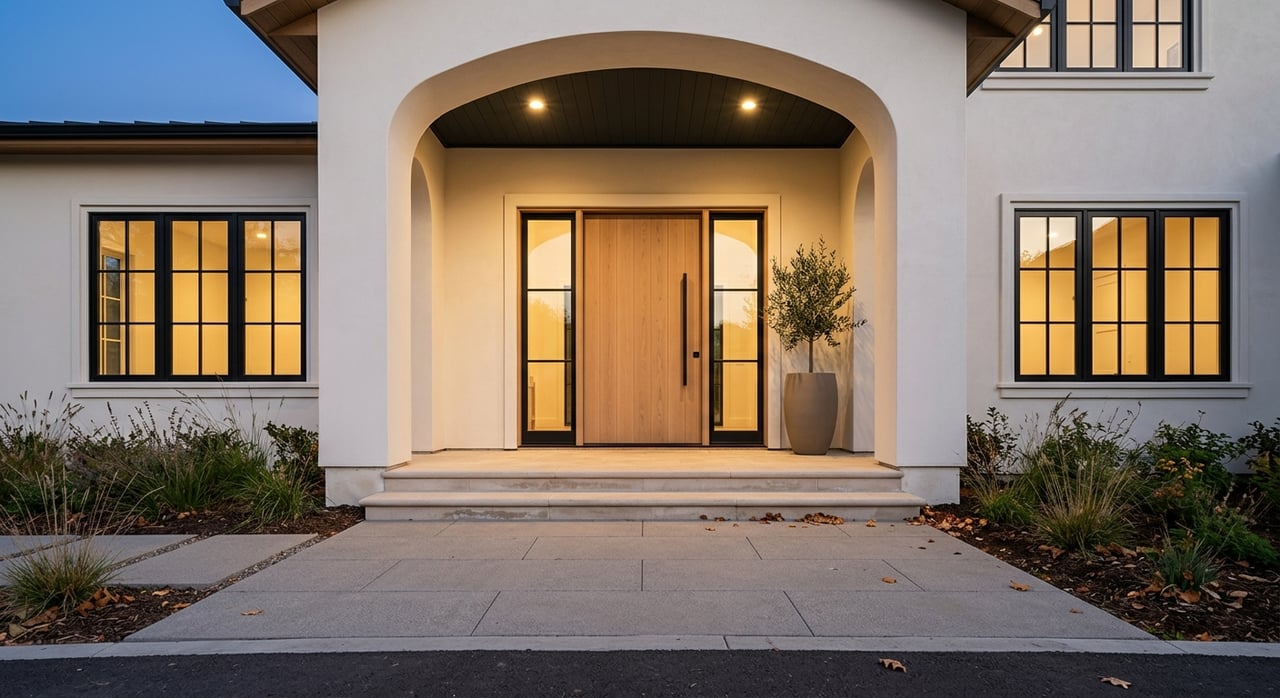
Dreaming about a custom home along the Sacramento River is exciting, but it comes with more moving parts than a typical home purchase. Between floodplain rules, levee considerations, utility questions, and permit timing, it helps to know what you are walking into before you fall in love with a lot. This guide will help you understand the big issues early so you can plan with more confidence and fewer surprises. Let’s dive in.
Why riverfront planning is different
A homesite near the Sacramento River offers a unique setting, but it also sits within a major flood-control environment. The Sacramento Area Flood Control Agency describes the Lower Sacramento River East Levee system as about 12 miles long and protecting essentially all areas of the city south of the American River and west of Highway 99.
That protection matters, but it does not remove flood risk. City flood guidance notes that much of Sacramento’s flood damage occurs in the Sacramento River and American River floodplains, and that any property can still flood because levees can fail or be overtopped.
For you, that means a riverfront custom build should start with due diligence, not just design ideas. Before you compare builders, floor plans, or finishes, you need to understand the parcel, the jurisdiction, and the review path tied to that specific site.
Start with the parcel first
Confirm city or county jurisdiction
One of the first questions to answer is whether the lot is in the City of Sacramento or unincorporated Sacramento County. That matters because the permit path, utility provider, and floodplain review process can differ depending on jurisdiction.
This step sounds simple, but it affects almost every decision that follows. If you skip it early, you can end up budgeting for the wrong process or assuming utilities and approvals will work one way when they actually work another.
Check floodplain status early
If the parcel is in a floodplain, that is not a detail to sort out later. Sacramento County states that all construction or fill within a floodplain requires a floodplain management permit.
The county also says that new structures in a flood hazard area must be built at least 18 inches above the flood hazard elevation. Before occupancy, an elevation certificate is required from a California licensed land surveyor or registered civil engineer.
Understand levee and river corridor review
River-adjacent work may trigger a separate level of review beyond standard planning and building permits. The Central Valley Flood Protection Board says approval is required for proposed work that encroaches into rivers, waterways, floodways, or within and adjacent to federal and state authorized flood control projects.
Its jurisdiction can include the levee section, the area between project levees, and areas near the top of bank. In practical terms, a parcel that looks straightforward on a map may still involve additional review because of where it sits relative to the levee or river corridor.
Know when federal project review may apply
Some work may also involve a federal review if it alters a U.S. Army Corps of Engineers civil works project. The Corps says Section 408 permission may be required, and that review can include engineering, environmental, real estate, and legal analysis.
In some cases, work in or around aquatic resources may also need Section 404 or Section 10 review. This is one reason riverfront projects often take more coordination than buyers expect at first glance.
Map the approval path before budgeting
City of Sacramento approval basics
If your lot is in the City of Sacramento, planning approval must be obtained before you submit a building permit application. The city also requires electronic plan check for all plan review submittals and resubmittals, and almost all permits must be submitted through the public permit portal.
The city’s current guidance says new applications now must comply with the 2025 California Building Standards Codes and local amendments. That is an important budgeting point, because code compliance can shape design, engineering, and material choices early.
Sacramento County review steps
If your parcel is in unincorporated Sacramento County, the process may include multiple layers when discretionary review is needed. County guidance says planning and environmental review can involve CEQA and technical studies.
The county also handles civil improvement plans and grading permits separately. Approval of those items is required before building permits are issued and before certificates of occupancy are granted.
Civil improvement planning matters
For many new construction projects, county workflow notes that civil improvement plans may be required for roadway, drainage, sewer, and on-site infrastructure. The county’s design review process says first comments are typically issued within 30 days, and that most projects are approved after two rounds of review.
That does not mean every project moves quickly. It does mean you should build your budget and expectations around a staged process rather than a single permit event.
Build your team around the site
Bring in technical experts early
A custom home near the river should be planned around site constraints first. Sacramento County says civil improvement plans must be prepared by a licensed Professional Civil Engineer.
The City of Sacramento checklist also shows that new-home submittals may require structural calculations, soils reports, truss calculations, and fire sprinkler calculations. If your team is assembled early, these items can be planned in the right sequence instead of becoming late surprises.
Treat the site plan like a master checklist
The site or plot plan does a lot of heavy lifting in a custom build. The city requires this plan to show utility connection points, easements, driveway locations, drainage arrows, setbacks, sewer tie-ins, and whether the building will be all-electric or mixed-fuel.
That makes the site plan more than just a drawing. It becomes a coordination tool that helps your agent, builder, engineer, and utility contacts work from the same set of facts.
Plan for fire sprinklers
In Sacramento County, all new one- and two-family dwellings require fire sprinklers. That is a cost item worth carrying in your early budget, not something you want to discover late in the design phase.
Even when you are focused on finishes and layout, code-driven requirements like this shape the real cost of building. Good planning means accounting for them from the start.
Confirm utilities before you close
Electric service
Utility research should happen before you commit to the lot whenever possible. SMUD serves most of Sacramento County, and its meter-and-service process says the company connects and energizes service after it receives inspection approval from the local authority.
That means electrical service is tied to your broader approval and inspection timeline. It is another reason custom-home schedules depend on coordination across several agencies and service providers.
Water and wastewater service
Water and wastewater should also be confirmed early. In the City of Sacramento, the Department of Utilities provides drinking water, stormwater, and wastewater services.
In Sacramento County, there are more than twenty water providers, so you need to confirm the specific provider for the parcel you are considering. Do not assume nearby service automatically means easy connection for your site.
Sewer or septic questions
If public sewer is not available, septic may create a separate approval path. Sacramento County Environmental Management says the septic permit process depends on parcel location, and if sewer is available within 200 feet of the property line, the owner may be required to connect.
This can affect feasibility, cost, and design. For that reason, sewer availability is one of the first items worth checking during lot due diligence.
Expect a longer timeline than resale
A custom riverfront build usually offers more control, but it also takes more patience. Local workflow makes it clear that planning review, floodplain review, possible levee or river encroachment review, utility coordination, inspections, and occupancy sign-off can happen in sequence or in parallel.
That layered process is why these projects often take longer than buyers expect. The timeline is not just about construction. It is also about approvals, documentation, and agency coordination.
County guidance also says you must call for inspection before placing concrete or covering any aspect of construction, and the project is not complete until final approval is issued. Inspections are a real schedule driver, especially when one delayed sign-off affects the next step.
Flood insurance and disclosure still matter
Even if a lot or home seems protected by levees, flood planning should stay part of your decision-making. The City of Sacramento strongly encourages flood insurance for all property owners and notes that less than 25 percent of the city is within a Special Flood Hazard Area.
The city also makes clear that levees do not guarantee safety. Sacramento County adds that nearly 20 percent of flood insurance claims come from moderate- to low-risk areas, and that new flood policies typically have a 30-day waiting period.
If you are thinking ahead to resale, disclosure matters too. Sacramento city guidance says sellers or sellers’ agents must make appropriate natural-hazard disclosures, so flood-zone status and dam-failure mapping should be checked before listing a riverfront home or lot.
What smart buyers do early
If you are seriously considering building along the Sacramento River, a few early steps can save time and stress:
- Confirm whether the parcel is in the City of Sacramento or unincorporated Sacramento County
- Verify floodplain status and whether a floodplain management permit is required
- Ask whether the site may involve levee, river corridor, or Corps-related review
- Confirm water, sewer, stormwater, and electrical service options
- Check whether septic review may apply if sewer is unavailable
- Budget for engineering, soils, structural, and fire sprinkler requirements
- Build extra time into your schedule for comments, revisions, inspections, and final sign-off
A custom build can be a great path when resale inventory is limited or when you want something highly tailored to the lot and your lifestyle. The key is knowing that a beautiful riverfront setting often comes with a more technical path to get from raw land to finished home.
If you want help evaluating a riverfront lot, understanding the approval path, or planning a buy-and-build strategy in Sacramento, Lisa Rayman can help you move forward with local insight and practical guidance.
FAQs
Do I need a floodplain permit for a Sacramento River homesite?
- If construction or fill is within a floodplain, Sacramento County says a floodplain management permit is required.
Can a Sacramento River custom home need levee approval?
- Yes, possibly. The Central Valley Flood Protection Board says approval is required for work that encroaches into rivers, waterways, floodways, or areas within and adjacent to authorized flood control projects.
Does a riverfront lot in Sacramento need city or county review?
- It depends on whether the parcel is in the City of Sacramento or unincorporated Sacramento County, because the review path, utilities, and permit process can differ.
What utility questions matter most for a Sacramento River lot?
- You should confirm electric service, water provider, wastewater connection, and whether public sewer is available or septic review may apply.
How long does it take to build a custom home along the Sacramento River?
- It is usually longer than a standard resale timeline because planning review, floodplain review, utility coordination, inspections, and possible levee or river approvals can stack up.
Is flood insurance worth considering for a Sacramento River property?
- Yes. The City of Sacramento strongly encourages flood insurance for all property owners, and Sacramento County notes that many claims come from moderate- to low-risk areas.