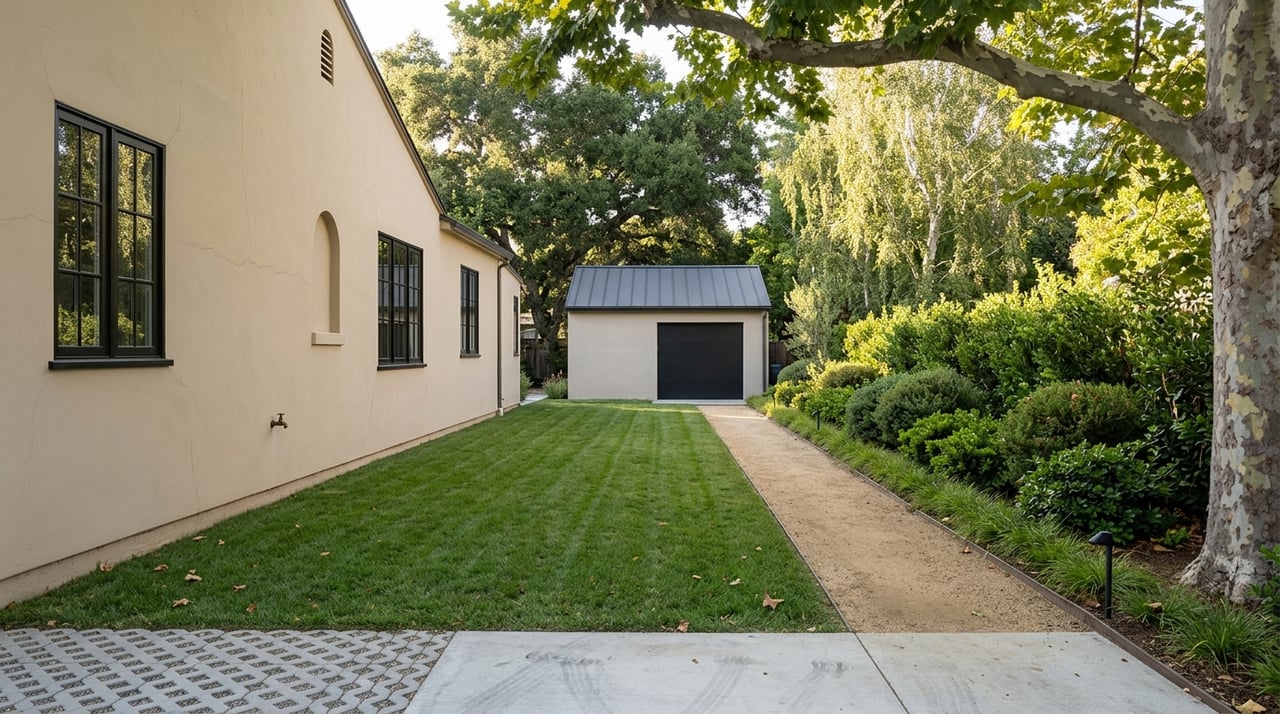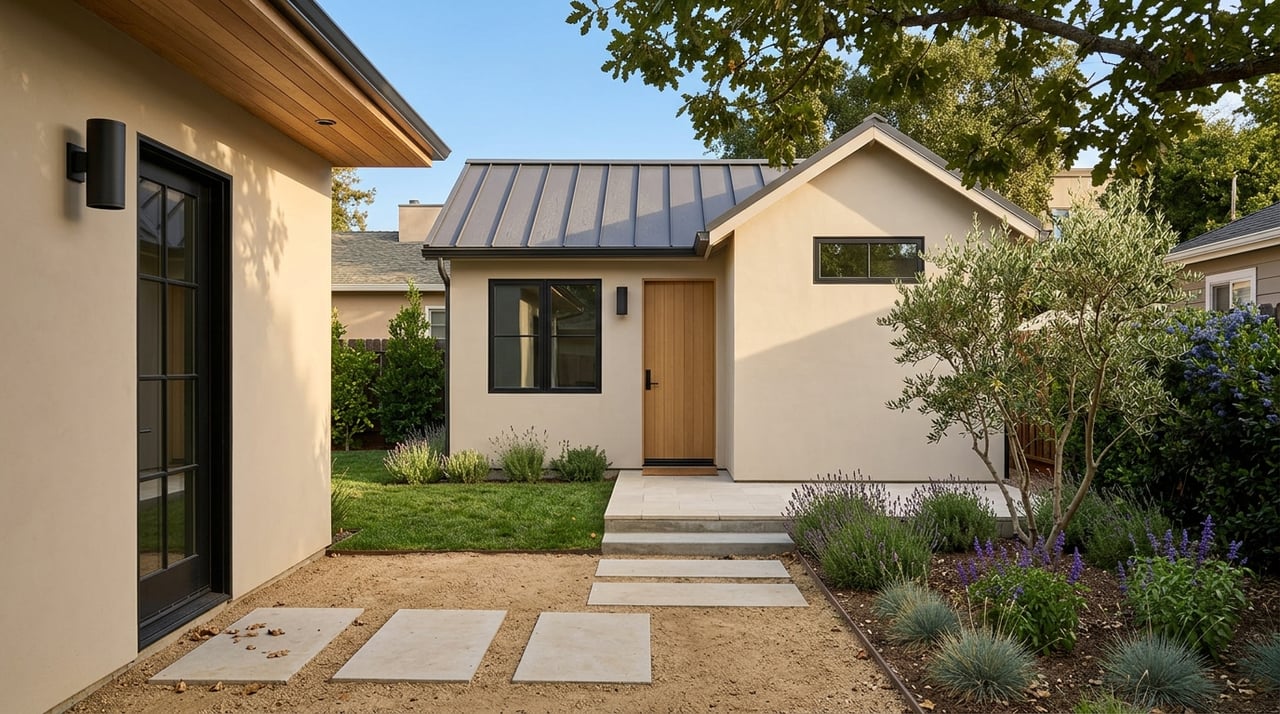
Thinking about adding more flexibility to your Tahoe Park property without leaving the neighborhood you love? An accessory dwelling unit, or ADU, can create space for family, support aging in place, or open the door to rental income, all on the same lot as your primary home. If you are curious about what Sacramento allows, what it may cost, and how to plan wisely, this guide will walk you through the key details. Let’s dive in.
Why ADUs matter in Tahoe Park
Tahoe Park is a city-recognized neighborhood association within Sacramento, so ADU questions here run through the City of Sacramento’s local process. That matters because Sacramento has built out much of its residential land already, and city materials note that 70% of residential neighborhoods are zoned for single-unit dwellings. In that kind of setting, ADUs have become an important way to add flexibility without changing the core pattern of the neighborhood.
For you as a homeowner, that flexibility can look different depending on your goals. Sacramento describes ADUs as useful for multigenerational living, aging in place, broader housing choice, and extra income potential. In practical terms, an ADU can help you stay rooted in Tahoe Park while making your property work harder for your current and future needs.
What counts as an ADU in Sacramento
In Sacramento, an ADU is a second home on a lot that already has a primary residence. The city includes several forms under that umbrella, including detached backyard units, attached additions, garage conversions, above-garage units, basement conversions, and modular units. The city also states that residential structures must be on permanent foundations.
You may also hear about a JADU, or junior accessory dwelling unit. Under Sacramento’s forms, a JADU is limited to 500 square feet and must be created within a single-unit residence or an attached garage. If a JADU is rented, the rental term must be more than 30 days, and a recorded deed restriction is required.
Sacramento ADU rules to know
One of the most important local rules is that Sacramento generally allows up to two ADUs per lot, but you must choose one rule path for your project. Homeowners can use either the Local ADU Ordinance or the State ADU Standards, and city forms make clear that you cannot mix and match between the two. That choice can shape your size limits, setbacks, and design options.
Local ADU Ordinance basics
Under Sacramento’s Local ADU Ordinance, attached ADUs can be up to 50% of the primary dwelling or 850 square feet. If the attached ADU has two or more bedrooms, that can increase to 1,000 square feet. Detached ADUs are capped at a combined 1,200 square feet, and height generally follows the zoning on your lot.
State ADU Standards basics
Under the State ADU Standards, attached conversions stay within existing space. Detached new-construction ADUs are capped at 800 square feet, with 4-foot side and rear setbacks, an 18-foot height limit, and a 2-foot roof-pitch allowance. This route can be helpful for some properties, but the best fit depends on your parcel, layout, and goals.
Historic and overlay considerations
Before you get too far into planning, check whether your property has any added review requirements. If your parcel is in a historic district or is designated as a historic landmark or contributing resource, Sacramento may require approval from the Preservation Division. Protected trees or other site constraints can also trigger additional review.
How an ADU can elevate your property
An ADU can elevate your Tahoe Park property by adding options. You may want room for extended family, a more private setup for long-term guests, or a way to support a changing household without moving. In a neighborhood where many owners value staying in place, that kind of built-in flexibility can be a major advantage.
For some homeowners, the appeal is financial. Sacramento notes that ADUs can help offset mortgage costs or create rental income. While every property and budget is different, the ability to add a legal second living space can make your lot more versatile over time.
There is also a lifestyle benefit that matters in an established Sacramento neighborhood like Tahoe Park. Instead of searching for a completely different home to meet a new need, you may be able to adapt the property you already have. That can preserve your connection to the neighborhood while giving you more usable space.
What ADUs may cost in Sacramento
ADU budgets usually involve more than construction alone. Sacramento’s fee materials say you should plan for design costs, permit and plan review fees, utility work, fire and planning review, school fees, and possibly impact fees or special district fees. That is why early budgeting is so important.
The city’s sample fee estimate sheet gives a helpful range, even though it says actual totals vary. For a 750-square-foot ADU, sample city-related fees are about $5,134.91. For a 1,200-square-foot ADU, the sample total is about $14,476.59.
Size can make a meaningful difference in total cost. According to California HCD’s 2026 handbook, ADUs that are 750 square feet or less are exempt from impact fees, and JADUs that are 500 square feet or less are also exempt. Larger ADUs may pay impact fees on a proportional basis, which is one reason many homeowners pay close attention to square footage early in the design process.
Utility costs can also affect the budget. Sacramento’s materials note that ADUs generally connect to existing water and sewer lines and usually do not require a separate water meter, and existing connections may receive credit. Still, if new service work is needed, water and sewer development fees can matter, so it is smart to verify current fees before finalizing your plan.
What the timeline looks like
Timing matters if you are trying to coordinate design, financing, and construction. State law requires a decision on a complete ADU application within 60 days. That does not mean every project moves at the same pace, but it does give you a useful baseline once your application is fully submitted.
Sacramento also notes that new plan review and permit applications must comply with the 2025 California Building Standards Codes and city amendments as of January 1, 2026. During construction, the city requires inspections before work is covered or concealed. In other words, a smooth timeline depends on both good planning up front and careful coordination during the build.
Smart first steps for Tahoe Park owners
The safest place to start is with your parcel, not your floor plan. Sacramento advises homeowners to verify the property in the city’s Land Information Lookup App, confirm zoning, and check whether any historic or overlay rules apply. That can help you avoid spending money on a concept that does not match the site.
If you want more certainty before committing to full plans, Sacramento offers an optional ADU Zoning Review application. This lets you verify objective zoning standards before investing heavily in a full permit set. The city also states that no construction may begin until a building permit is issued.
Compare your rule-set options
Once you understand the parcel, the next step is choosing the rule set that fits best. Because Sacramento requires you to use either the Local ADU Ordinance or the State ADU Standards, this decision should happen early. The best option often comes down to your lot size, where the ADU will sit, whether you are converting existing space, and how much square footage you want.
Use Sacramento planning tools
Sacramento’s ADU Resource Center can help you move from idea to action. The city walks homeowners through planning, budgeting, permit submittal, construction, and move-in. Sacramento also offers free Shelf Ready ADU Plans for detached studio, one-bedroom, and two-bedroom units, and the city notes these plans are all-electric.
Check utilities and site constraints early
Utility planning should not wait until the end. Sacramento advises owners to consult SMUD early because service options can affect both design and cost. It is also smart to identify tree, access, or site limitations as early as possible so you can build a realistic budget and timeline.
When local real estate guidance helps
An ADU is not just a construction project. It is also a property strategy decision that can affect how you use your home now and how you position it for the future. If you are weighing whether to build, how the improvement fits your lot, or how it may influence long-term value and marketability, local guidance can help you make a more informed choice.
That is especially true in a neighborhood like Tahoe Park, where buyers often care about flexibility, usable space, and staying close to established Sacramento neighborhoods. If you are considering an ADU as part of a larger plan, whether that means preparing for resale, creating multigenerational space, or exploring a buy-and-build path, it helps to look at the property through both a homeowner and market lens.
If you are thinking about how an ADU could fit into your Tahoe Park property goals, Lisa Rayman can help you think through your options with local insight and practical guidance.
FAQs
What is an ADU on a Tahoe Park property?
- An ADU is a second home on a lot with an existing primary residence, and Sacramento examples include detached backyard units, attached additions, garage conversions, basement conversions, above-garage units, and modular units on permanent foundations.
How many ADUs can Sacramento allow on one lot?
- Sacramento generally allows up to two ADUs per lot, but you must choose either the Local ADU Ordinance or the State ADU Standards for the project and cannot combine the two rule sets.
What size ADU can you build in Sacramento?
- Under Sacramento’s Local ADU Ordinance, attached ADUs can be up to 50% of the primary dwelling or 850 square feet, or 1,000 square feet with two or more bedrooms, while detached ADUs are capped at a combined 1,200 square feet; under the State ADU Standards, detached new-construction ADUs are capped at 800 square feet.
How much do Sacramento ADU fees cost?
- Sacramento’s sample fee estimate sheet shows about $5,134.91 in city-related fees for a 750-square-foot ADU and about $14,476.59 for a 1,200-square-foot ADU, but the city says actual costs vary.
Are smaller ADUs exempt from impact fees in California?
- According to California HCD’s 2026 handbook, ADUs that are 750 square feet or less are exempt from impact fees, JADUs at 500 square feet or less are exempt, and larger ADUs may pay impact fees proportionally.
How long does an ADU permit take in Sacramento?
- State law requires a decision on a complete ADU application within 60 days, though total project timing can still vary based on planning, reviews, inspections, and construction.
What should Tahoe Park homeowners do before designing an ADU?
- Start by checking your parcel in Sacramento’s Land Information Lookup App, confirm zoning, review any historic or overlay rules, and consider using the city’s optional ADU Zoning Review before paying for a full permit set.