Thinking about selling your Tahoe Park home? In a neighborhood where buyers often compare a small pool of listings side by side, the details can shape how quickly your home gets attention and how strong your offers look. If you want to make smart updates without over-improving, this guide will walk you through what matters most before you list. Let’s dive in.
Why prep still matters in Tahoe Park
Tahoe Park remains a competitive market, but that does not mean you can list without a plan. As of March 2026, Redfin reports a median sale price of $505,000, median days on market of 34, and a competitiveness score of 86 out of 100. Realtor.com also shows 34 median days on market, with a 99% sale-to-list ratio and homes selling about 1.06% below list on average.
Those numbers tell an important story. Buyers are active, but they are still paying attention to condition, pricing, and presentation. In a market with only 8 active listings reported by Realtor.com in March 2026, small flaws and unfinished projects can stand out quickly.
Recent Tahoe Park sales support that pattern. Homes with newer roofs, refreshed kitchens and baths, dual-pane windows, updated HVAC, fresh paint, flooring, and clean landscaping appear to have matched buyer expectations more closely. Some homes sold above list, while others took longer and sold below list, which suggests that thoughtful prep can materially affect your result.
Focus on the updates buyers notice
For many Tahoe Park sellers, the best return comes from practical improvements, not a full renovation. Most buyers respond well to homes that feel clean, cared for, and easier to own. That is especially true in a neighborhood with many older homes, where visible maintenance helps build confidence.
Start with the basics buyers see right away:
- Declutter every room
- Deep clean floors, windows, walls, and light fixtures
- Touch up paint where needed
- Refresh landscaping and the front entry
- Clear off kitchen and bathroom counters
- Replace worn towels, mats, or small accessories for showings
According to NAR’s 2025 staging profile, the most common seller recommendations are decluttering, whole-home cleaning, and curb appeal improvements. That lines up well with what Tahoe Park buyers appear to value in recent sales: move-in-ready condition and signs of consistent upkeep.
Make curb appeal work harder
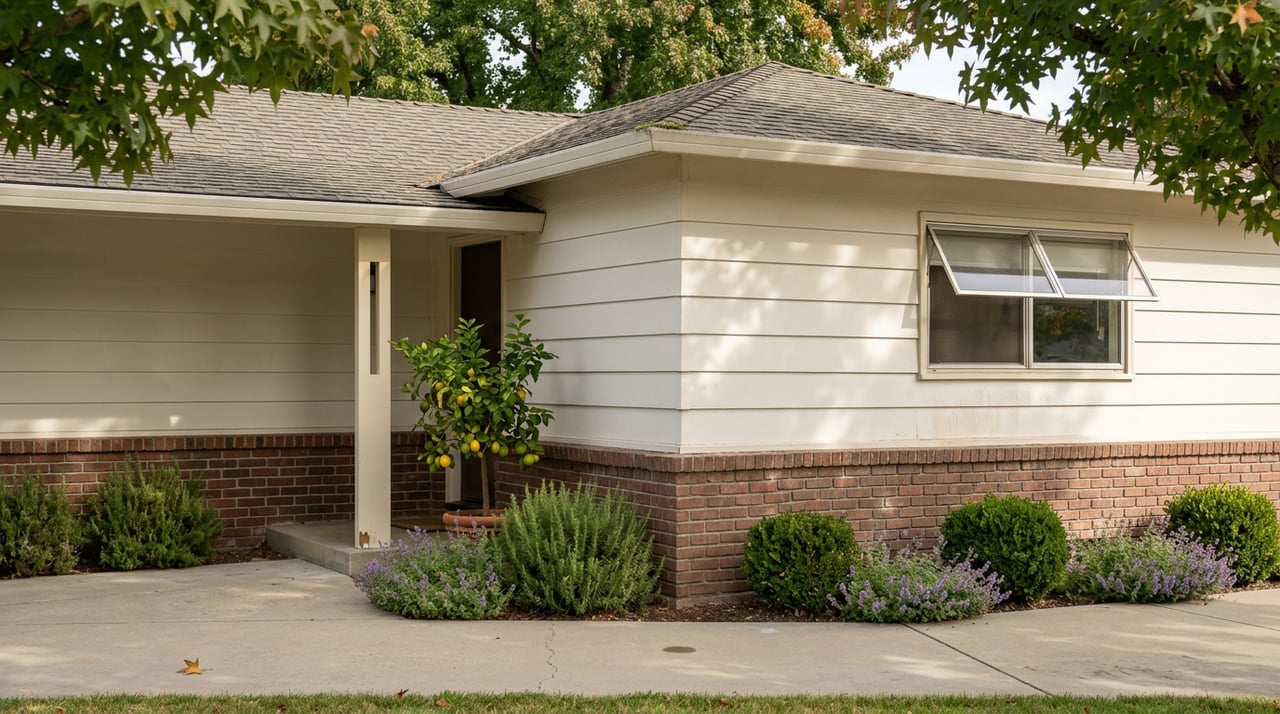
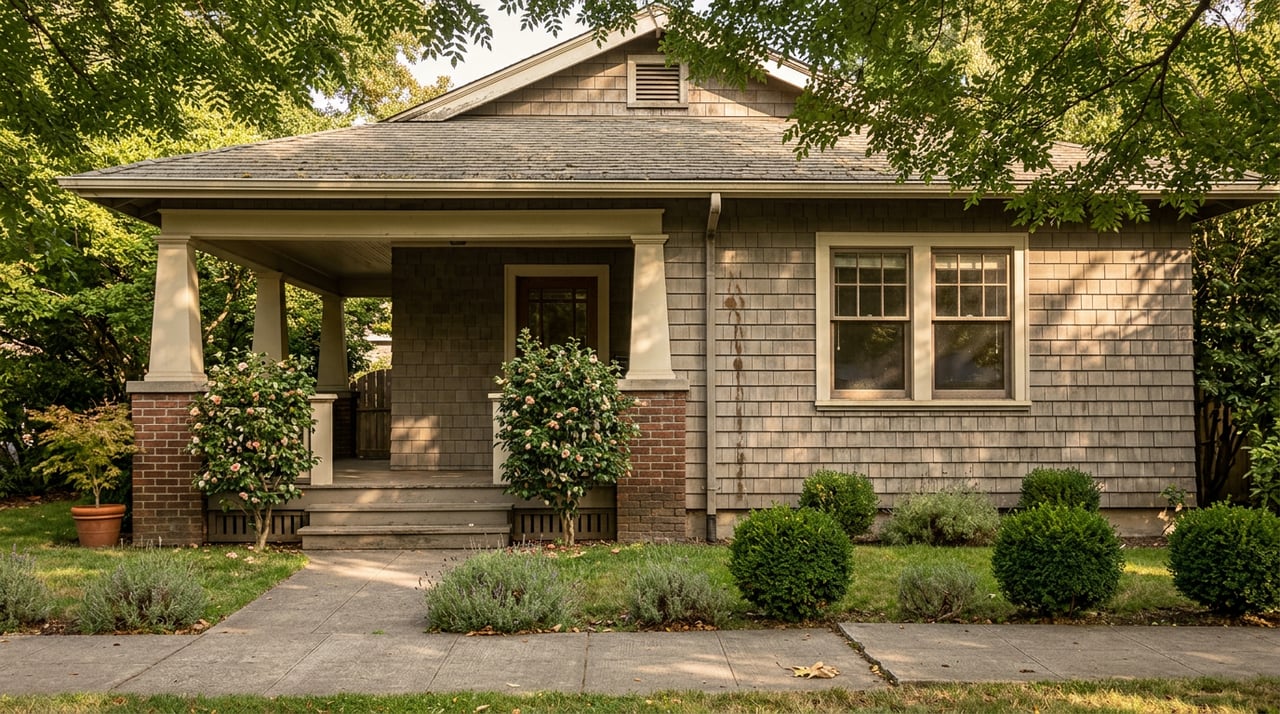
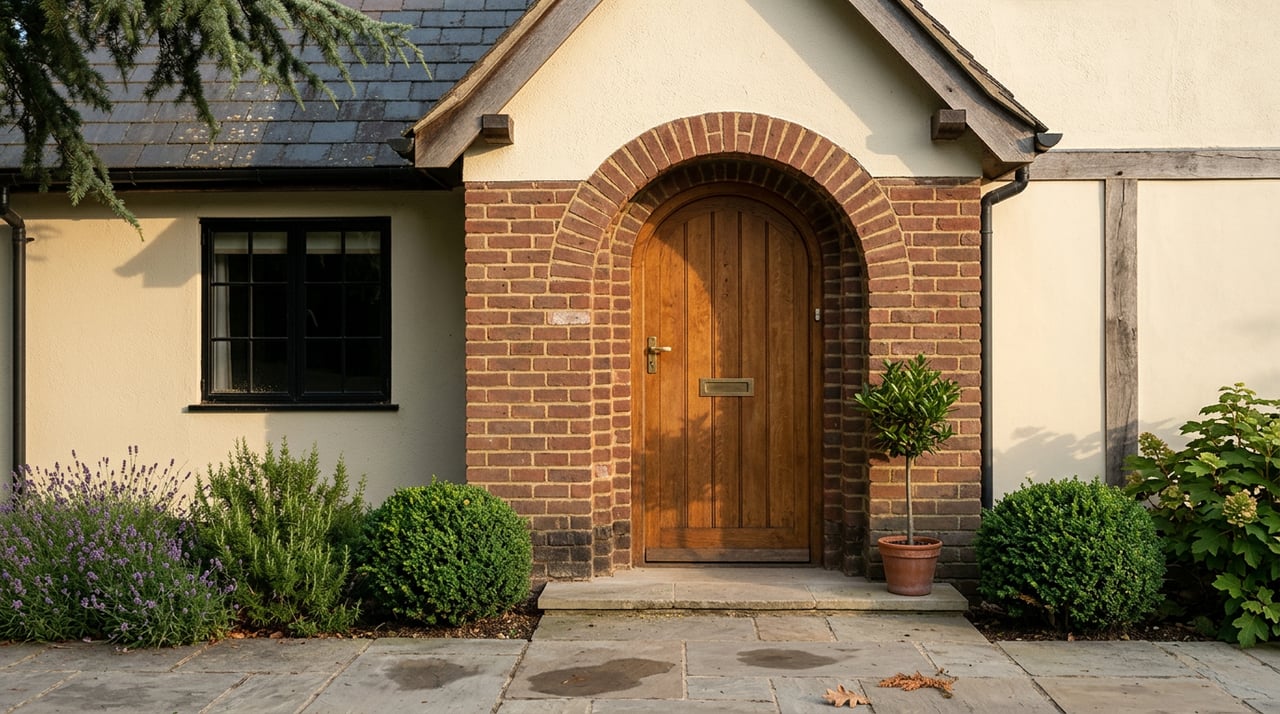
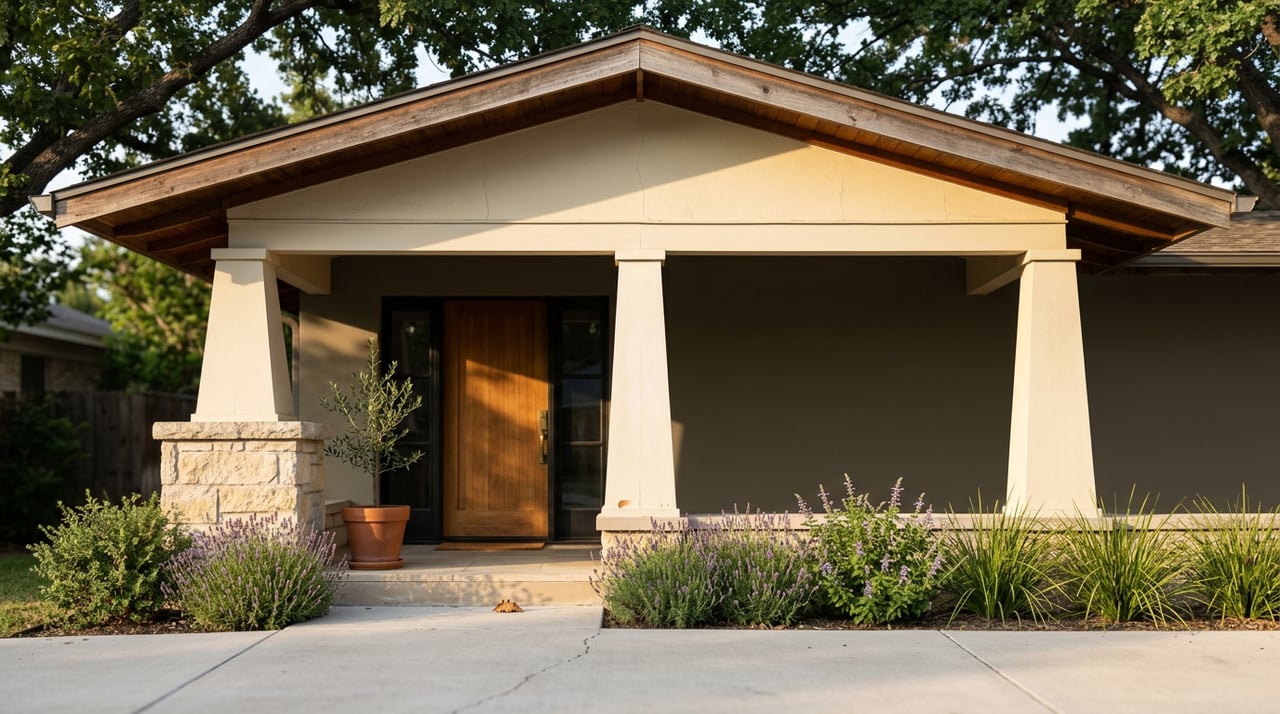
First impressions start before a buyer opens the front door. In Tahoe Park, where neighborhood identity is a meaningful part of the appeal, your exterior should feel welcoming, functional, and maintained.
The City of Sacramento describes Tahoe Park itself as a 17.82-acre park with play areas, picnic areas, courts, fields, and swimming amenities. That local setting suggests buyers may respond well to homes that connect with outdoor living and easy day-to-day use.
You do not need an elaborate redesign to improve curb appeal. In most cases, these simple steps can help:
- Mow and edge the lawn
- Trim shrubs and remove dead plants
- Add fresh mulch in planting beds
- Sweep paths and porches
- Repaint or touch up the front door if needed
- Make sure house numbers, porch lights, and hardware look clean and functional
If you have a usable backyard, highlight it. A tidy patio, outdoor dining area, or flexible yard space can reinforce the lifestyle buyers may already associate with Tahoe Park.
Prioritize function over flashy remodeling
It is easy to assume you need a major kitchen or bathroom remodel before you sell. In most cases, that is not the first move. Tahoe Park sales suggest buyers are often looking for proof that key systems and surfaces have been maintained, not necessarily luxury-level finishes.
If your home needs work, focus on repairs or updates that reduce buyer hesitation. Think about aging roofs, worn flooring, outdated fixtures, drafty windows, or deferred maintenance that could show up during inspections. Even modest improvements can make your home feel more reliable and more move-in ready.
That said, be careful with pre-list projects in Sacramento. The City of Sacramento requires building permits for remodeling and for electrical, mechanical, and plumbing work, and almost all permits must be submitted online through the city permit portal. Starting work before a permit is issued can trigger penalty fees.
For kitchen work, city rules are especially important. Sacramento notes that non-structural, non-floor-plan kitchen work is limited to certain appliance or fixture repair or replacement and cannot include wall removal or enlarging load-bearing openings in that simplified category. If you are considering updates, verify the permit path first.
Check records before you spend money
Before you start repairs or touch-ups, confirm what the city already has on file. Sacramento’s public records portal allows you to view or request building permit and plan records. That can help you confirm prior work, gather documentation, and avoid surprises when buyers ask questions.
This step matters in Tahoe Park because many homes are older. If you replaced a roof, updated plumbing, upgraded electrical, added HVAC, or remodeled a kitchen or bath, buyers may want records, service history, or permits that support the work.
Documentation can strengthen buyer confidence in a way fresh paint alone cannot. If you have invoices, warranties, service records, or permit finalizations, gather them early so they are ready when your home goes live.
Consider a pre-sale inspection
A pre-sale inspection is not required, but it can be a smart planning tool. NAR notes that it can help identify issues involving the roof, structure, plumbing, electrical, heating and cooling, insulation, ventilation, fireplaces, and possible concerns such as mold, radon, lead paint, or asbestos before a buyer discovers them.
That does not mean you must repair everything. It means you can make informed choices. If a major issue is likely, NAR recommends at least estimating the cost so you can decide whether to fix it or account for it in your price and strategy.
In a neighborhood where homes can receive multiple offers but still average about a month on market, clarity matters. A seller who understands the home’s condition often has more control over pricing, disclosures, and negotiations.
Get ready for California disclosures
California seller disclosures are broad, and the rules cannot be waived for covered single-family residential transfers under Civil Code 1102. The Real Estate Transfer Disclosure Statement is a condition disclosure, not a warranty, but it still requires careful attention.
For 2026, sellers should also be aware of newer disclosure items under California law. These include a written advisory about possible electrical-system inspection needs, disclosure of known state or local restrictions on future replacement of gas-powered appliances, disclosure of known tobacco or nicotine residue history, and disclosure of noncompliant water-conserving plumbing fixtures.
Natural hazard disclosures matter too. The California Geological Survey says sellers must disclose if a property is located in a mapped seismic hazard zone or another state-mapped natural hazard area. The key is to verify the specific parcel rather than assume the whole neighborhood is treated the same way.
This is another reason to start early. Gathering records, confirming known conditions, and understanding what applies to your property can make the listing process smoother and help reduce last-minute stress.
Stage for how buyers actually shop
Today’s buyers usually meet your home online before they ever step inside. That makes staging and photography especially important. NAR notes that staging helps buyers imagine living in the home, and its 2025 profile shows that photos, videos, and physical staging are highly important to many clients.
In Tahoe Park, the right presentation often means showing livability, not just style. Buyers may respond to flexible spaces, natural light, storage, and backyard usability just as much as they do to finish selections.
When preparing for photos and showings, aim for rooms that feel open, calm, and functional. Remove oversized furniture if needed. Keep décor simple, counters clear, and window coverings open to bring in light.
Use a smart showing checklist
Once your home is active, consistency matters. NAR’s seller checklist recommends a few simple steps before every showing that can make a noticeable difference.
Before buyers arrive:
- Clear kitchen and bathroom counters
- Wipe down surfaces
- Put out fresh towels in bathrooms
- Neutralize odors
- Open window treatments
- Turn on all lights
- Secure pets
- Put away valuables
These steps may sound small, but in a market with limited active inventory, buyers can notice everything. A clean, bright, easy-to-tour home helps them focus on the home itself instead of distractions.
Highlight what makes Tahoe Park living appealing
Your marketing should do more than list bedroom and bathroom counts. It should help buyers understand how the home lives and how it fits into Tahoe Park.
Based on the neighborhood’s strong identity and city-recognized park amenities, useful selling points may include:
- Functional outdoor spaces
- Room for dining or entertaining
- Storage and organization features
- Updated systems that simplify ownership
- Permitted improvements, if applicable
- Flexible rooms for work, hobbies, or guests
The goal is not to overstate. It is to present the home clearly and honestly, with details that help buyers picture daily life there.
Follow a practical prep timeline
If you want the process to feel manageable, keep the order simple. In Tahoe Park, sellers often benefit from verifying records first, then handling repairs or refreshes that improve inspection confidence, and then staging and photography once the home is truly ready.
A practical sequence often looks like this:
- Review permit history and home records
- Consider a pre-sale inspection
- Decide which repairs or refreshes to complete
- Confirm any needed Sacramento permits before work begins
- Declutter and deep clean
- Stage key rooms and outdoor spaces
- Photograph the home once it is fully show-ready
- Prepare disclosures with care
- Launch with pricing discipline and strong marketing
This kind of preparation helps you avoid rushing through important decisions. It also gives buyers a more polished, trustworthy first impression from day one.
If you are getting ready to sell in Tahoe Park, a thoughtful plan can help you protect value and reduce stress. For neighborhood-specific guidance on pricing, preparation, and positioning your home for the market, connect with Lisa Rayman.
FAQs
What updates matter most before selling a Tahoe Park home?
- In many Tahoe Park homes, the most effective pre-sale work is decluttering, deep cleaning, curb appeal, touch-up paint, and addressing visible maintenance items or outdated systems that may worry buyers.
Do you need a pre-sale inspection for a home sale in Tahoe Park?
- No, a pre-sale inspection is optional, but it can help you identify condition issues early and decide whether to repair them or factor them into your pricing strategy.
Do permits matter when updating a Tahoe Park home before listing?
- Yes, Sacramento requires permits for many remodeling, electrical, mechanical, and plumbing projects, and starting work before permit issuance can lead to penalty fees.
What disclosures apply when selling a home in Tahoe Park, California?
- California sellers of covered single-family residential property generally need to complete required condition disclosures, and 2026 rules also include newer items such as electrical-system advisories, certain gas-appliance restrictions, tobacco or nicotine residue history, and noncompliant water-conserving plumbing fixtures.
How should you stage a Tahoe Park home for showings?
- Focus on clean, bright, uncluttered rooms with clear function, open window coverings, fresh surfaces, and outdoor areas that show usable space for everyday living or entertaining.