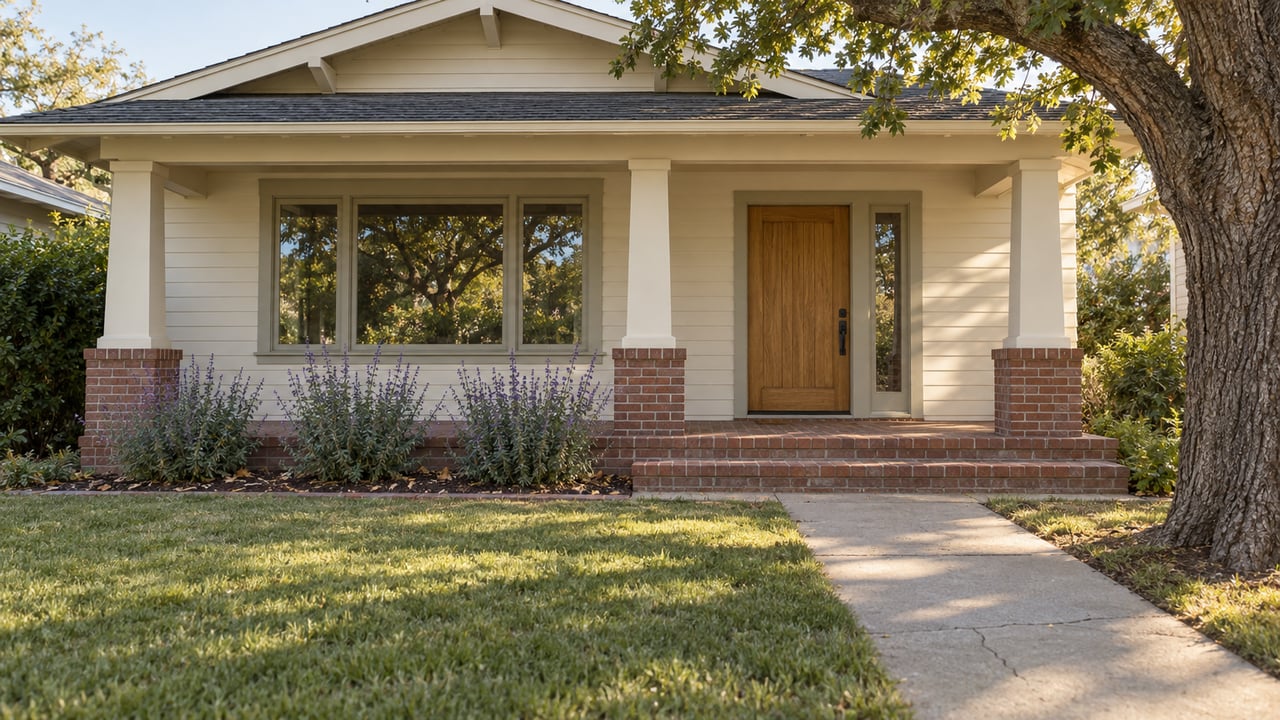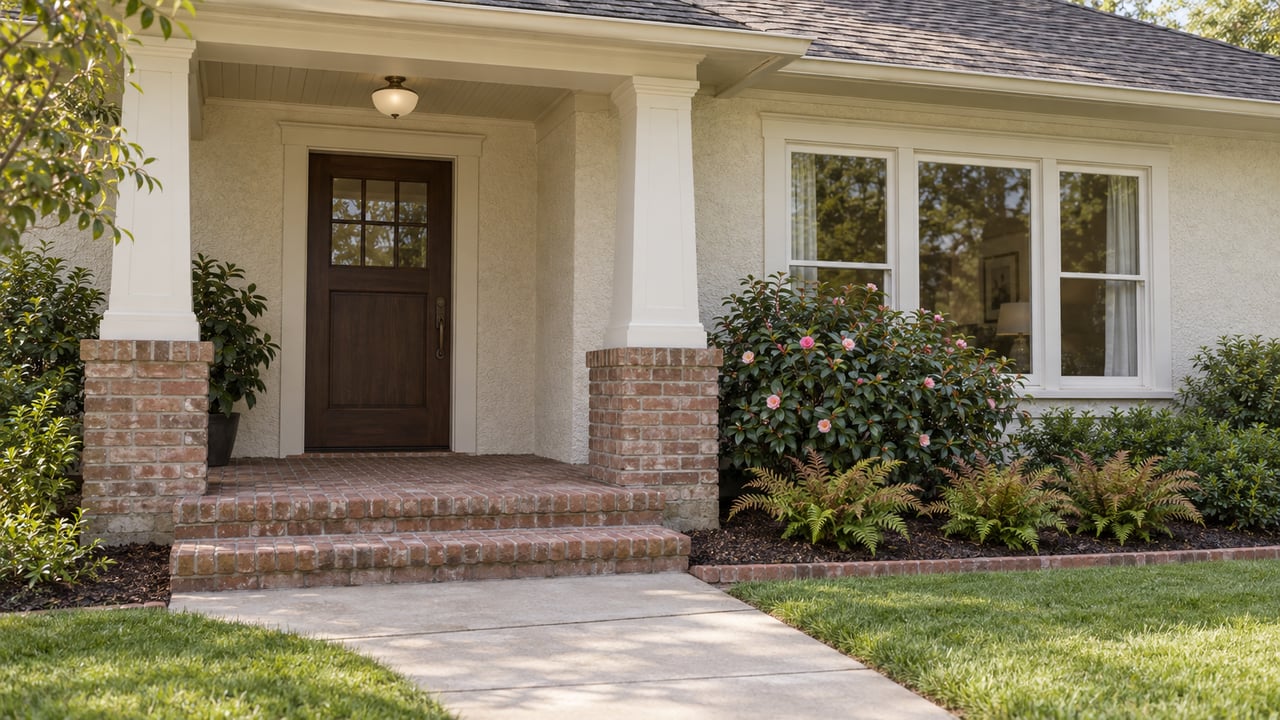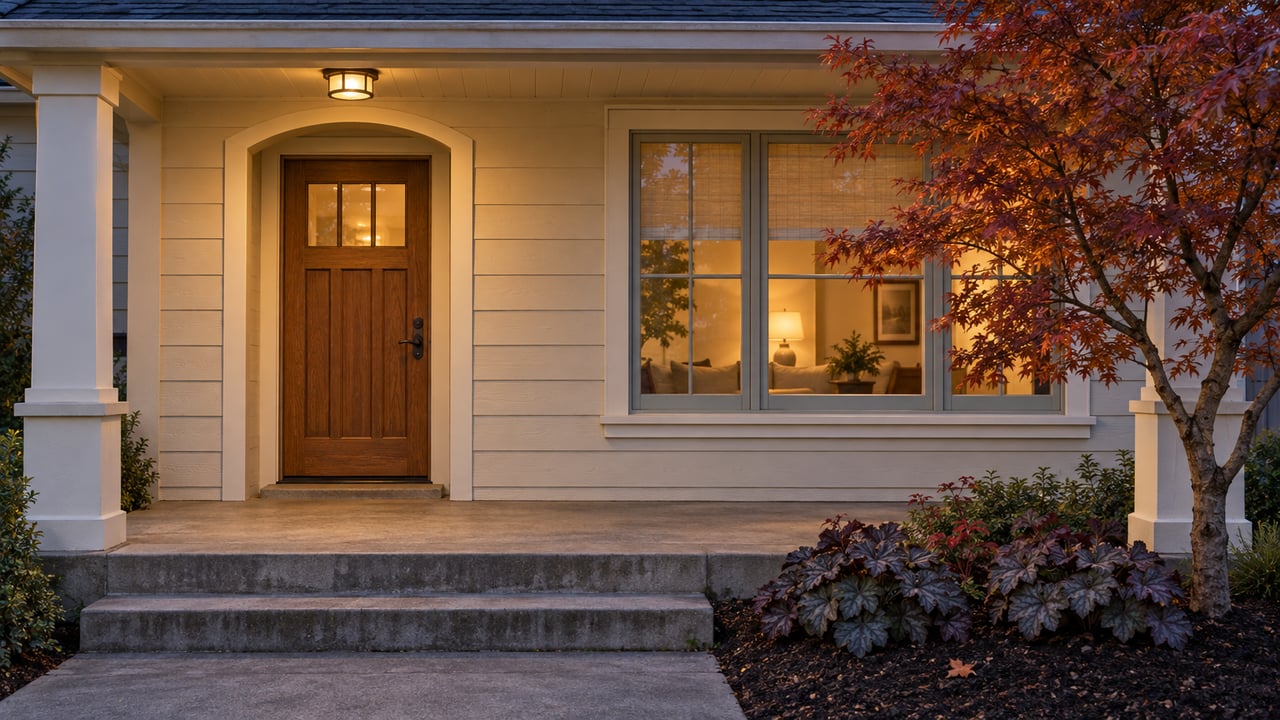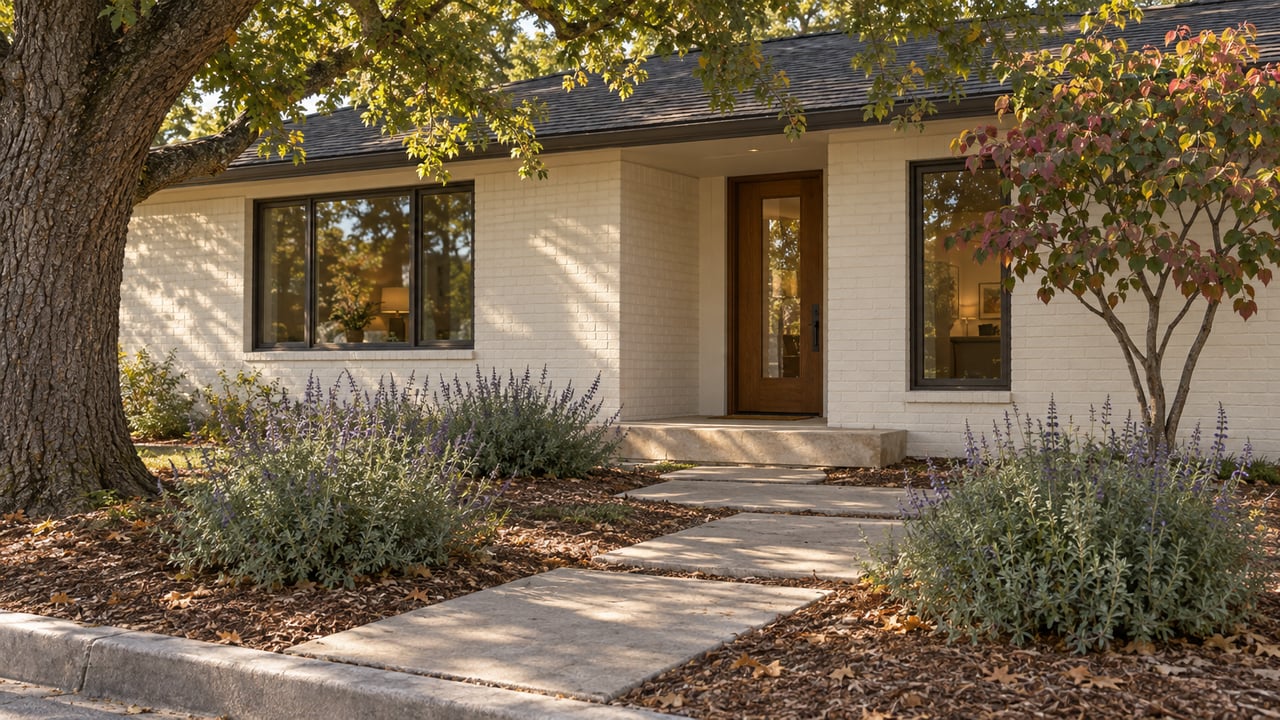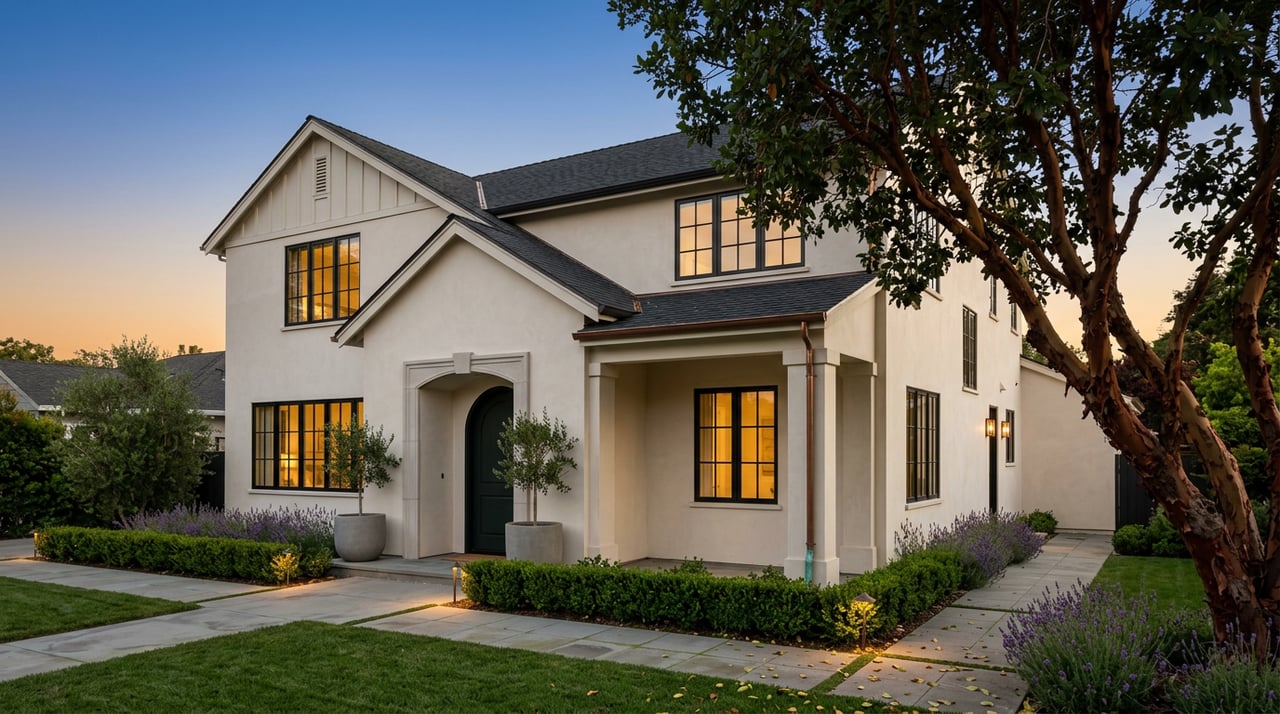
In December 2025, a three-bedroom home on T Street in Elmhurst sold for $895,000 on a 1,772-square-foot lot. That same month, a two-bedroom home on 57th Street, seven blocks away and still inside the boundary Sacramento agents draw when they say "Elmhurst," sold for $545,000. Same neighborhood name. Same month. A $350,000 gap between two houses a ten-minute walk apart.
If you only looked at Elmhurst's headline number that month, a median sale price of $618,000, down 5.7 percent from a year earlier, you would have missed both of those sales entirely, along with the reason they can coexist under one zip code search.
One Neighborhood Name, Multiple Zip Codes
Elmhurst is a historic pocket east of Midtown, platted back in 1908, and real estate searches file it under a handful of zip codes: 95819, 95817, 95820, 95816, and 95818. But the price story really lives in a contrast between two of them. Homes in 95819, the side that includes T Street itself, carry an average value close to $758,000 this fall. Homes in 95817, the stretch closer to the UC Davis Medical Center campus, average around $477,000, down nearly 7 percent from a year ago.
That's not two neighborhoods with different names. It's one neighborhood with two price tiers hiding inside the same search result.
The Number That Doesn't Add Up, on Purpose
Here's where it gets useful for anyone actually shopping Elmhurst right now. The neighborhood-wide median fell 5.7 percent in December 2025 compared to the year before. On its own, that reads like a cooling market. But two other numbers from the same period point the opposite direction: price per square foot rose 19 percent year over year to $505, and the average home found a buyer in 35 days, down from 85 days the year before.
A market that's actually slowing down doesn't usually sell twice as fast while charging more per square foot. What's more likely is a compositional shift: more of the smaller, less expensive homes on the 95817 side of Elmhurst changed hands relative to the larger T Street properties that period, which pulled the blended median down even as demand for square footage kept climbing. The median didn't measure the market cooling. It measured the mix changing.
For a buyer comparing Elmhurst to other Sacramento neighborhoods, that distinction matters. A falling median can look like room to negotiate. What it may actually mean is that you're now competing for a different, cheaper slice of the same neighborhood, on faster timelines, at a higher price per square foot than last year.
What T Street Actually Divides
Elmhurst residents already treat T Street, officially California Boulevard, as the neighborhood's spine. It's where the two small median parks sit, where the Julia Morgan-designed Mediterranean Revival mansion still hosts events, and where the larger Tudor-style homes cluster. Walk a few blocks off that corridor toward the Medical Center side, and the housing stock shifts to smaller Craftsman bungalows and ranches on tighter lots.
That physical pattern lines up with the price pattern. Here's roughly how the two sides compare right now:
| 95819 side (T Street corridor) | 95817 side (Medical Center corridor) | |
|---|---|---|
| Average home value | ~$758,000 | ~$477,000 |
| Year-over-year direction | Holding, premium end of Elmhurst | Down roughly 7% |
| Typical housing stock | Larger Tudor, Craftsman on bigger lots | Smaller bungalows, some duplexes |
| Proximity draw | East Sacramento, Broadway corridor | UC Davis Medical Center |
The gap isn't a flaw in how the neighborhood is priced. It's two different value propositions being sold under one name.
Why the Cheaper Side May Not Stay Cheap
The reason this is worth tracking now, rather than filing away as a curiosity, is what's happening at the Medical Center itself. In February 2026, UC Davis Health topped out its new California Tower, a 14-story hospital and five-story pavilion that's part of a $3.7 billion buildout called Vision 2030. By the time it opens in 2030, the tower will add roughly 334 inpatient beds and help take the Sacramento campus from 3.6 million square feet of building space to more than 7 million, doubling the campus in under a decade. In 2025 alone, the campus added a million square feet of new development, the most in a single year in its history.
A construction and staffing expansion of that size, sitting closer to the 95817 side of Elmhurst than the 95819 side, tends to pull housing demand toward it over time as employees look for a short commute. It doesn't guarantee the price gap closes. But it's a specific, dated reason to treat the cheaper half of Elmhurst as more than just a discount version of the expensive half.
This fits a pattern already showing up across Sacramento's urban core. Neighborhoods inside the city, Elmhurst included, are seeing stronger demand and faster sales than the outer suburbs, even with 30-year mortgage rates holding in the 6.5 to 7.2 percent range through 2026. Inventory in these walkable, close-in pockets stays tight because there's almost no new single-family construction happening inside them. Whatever gets built, or expanded, next door counts for more than it would in a suburb with room to grow.
What This Means If You're Comparing Elmhurst Listings
A few things worth checking before you treat "Elmhurst" as a single search term:
- Ask which zip code a specific listing sits in, not just whether it's labeled Elmhurst. The 95819 and 95817 sides are pricing differently enough that the label alone tells you very little.
- If you're comparing days on market across listings, remember the neighborhood-wide average of 35 days blends a fast-moving 95817 with whatever pace the T Street side is setting. A listing sitting well past 35 days isn't automatically overpriced for its side of the neighborhood.
- If long-term appreciation matters more to you than getting the biggest house today, the Medical Center corridor is the side where a specific, funded institutional catalyst is already under construction.
A Short FAQ
Is one side of Elmhurst actually a different neighborhood? No. Sacramento treats Elmhurst as one contiguous neighborhood regardless of zip code. The zip lines are a Census and postal convenience, not a boundary anyone drew for real estate purposes. But price data organizes itself along those lines anyway, which is exactly why it's worth checking.
Will the UC Davis expansion definitely raise prices near the Medical Center? There's no way to promise that, and this isn't financial advice. What's verifiable is the scale and timeline: a topped-out tower, a 2030 opening, and a campus roughly doubling in size. Institutional growth of that size has historically drawn housing demand toward it in other Sacramento corridors, but every neighborhood responds differently.
How do I find out which side of T Street a specific house is on? The street address and zip code on the listing will tell you. If you're unsure how a specific block fits into the broader pattern, that's a fair question to bring to a local agent before you write an offer.
Elmhurst rewards buyers who look past the one number a portal hands them. If you're weighing a T Street property against something closer to the Medical Center, or you want a clearer read on where a specific address falls in this split, Lisa Rayman can walk you through the comparison block by block. Reach out for a free home valuation and build consultation before you decide which side of Elmhurst actually fits what you're looking for.